

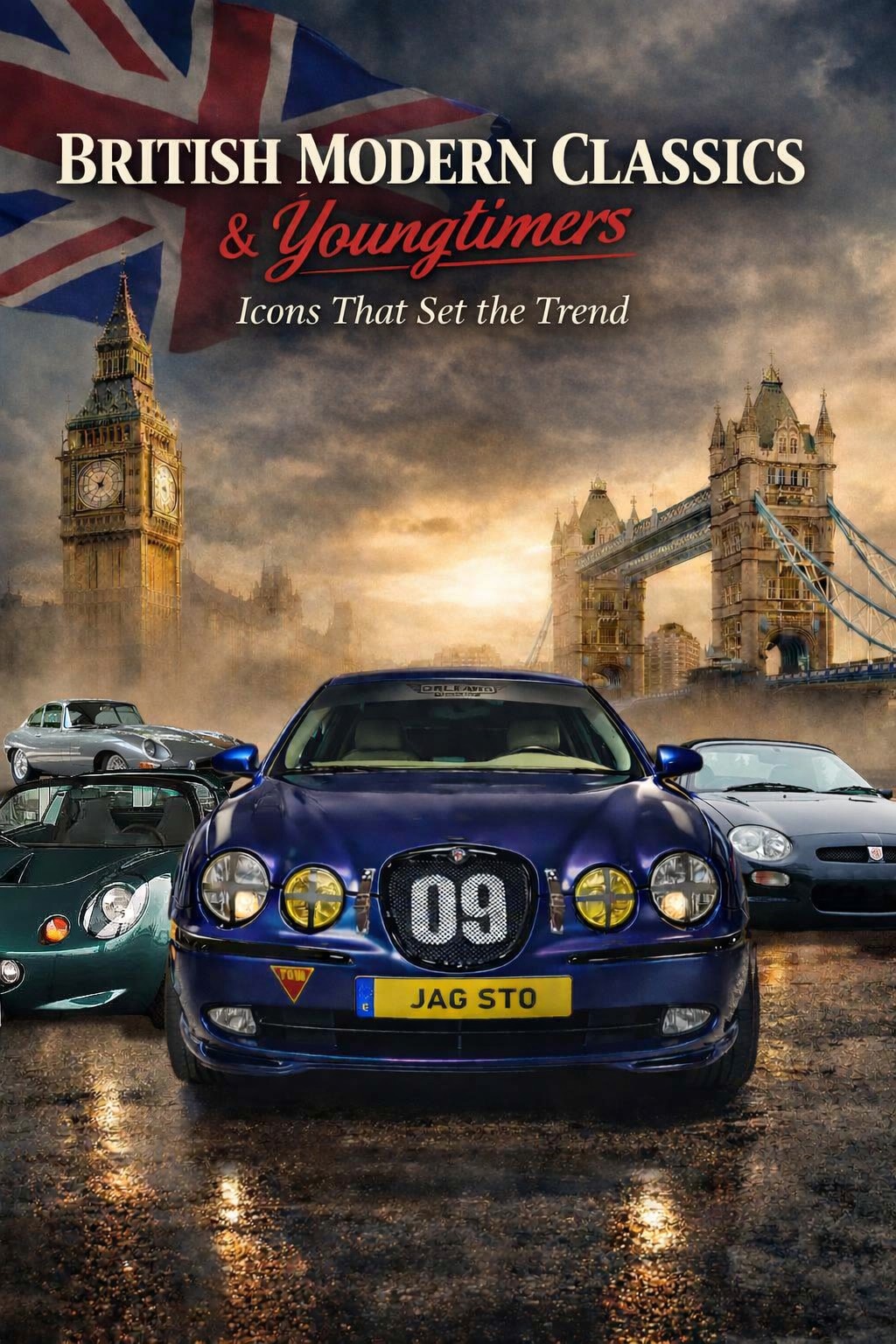
British Modern Classics from the 1980s, 1990s and even the early 2000s represent a golden era of accessible sports cars, characterful luxury saloons, and vehicles with a strong identity of their own. Many of them are currently on the rise, driven by generational nostalgia and their relative affordability before officially becoming historic vehicles (those over 30 years old, according to Spanish regulations).
In this article, we explore the key elements that define a British Modern Classic, which brands dominate this territory, and why the Retro Look has become a cultural movement with its own distinct identity, where the Jag STO, based on the Jaguar S-Type, stands as one of the leading references of this trend.
Key Characteristics That Define British Modern Classics
Not all British youngtimers are recognised as Modern Classics. Generally, they are vehicles manufactured between the late 1980s and the early 2000s (around 20 to 30–35 years old), which places them within the youngtimer category. However, a Modern Classic is distinguished by being a fully functional car, suitable for daily use, with strong nostalgic value and a steadily increasing appreciation as a collectible, without reaching the rigidity or age of traditional “oldtimer” classic cars. They occupy a transitional stage between a typical second-hand vehicle and a historic classic. Yet their exclusivity, character, and cultural relevance set them apart from other youngtimers that have not achieved this elevated status.
Age and Nostalgic Value: They are vehicles from the 1980s through the early 2000s, highly sought after by the generation that grew up during that era and now wishes to reconnect with the car of their youth, as well as by younger owners born in the electric age who are looking to enter the world of usable, everyday classic cars.
Character and “Analog” Driving Experience: Unlike modern vehicles, these cars offer a purer, more direct driving experience, where the driver truly feels the mechanics, the sound of the engine, and steering that is less filtered by electronic assistance, qualities now considered a significant added value. Compared to older classics, youngtimers (especially those from the 1980s and 1990s) already incorporated technological advances such as electronic fuel injection, ABS, and airbags. This makes them far more practical for everyday use or for classic car club outings, while still preserving a distinctly “retro” design language.
Affordability and Accessibility: Compared to established classics (a prime example being the Jaguar E-Type), Modern Classics remain significantly more attainable, making them an excellent gateway into the world of enthusiast motoring, and even into collecting.
In the United Kingdom, while a vehicle officially classified as “historic” for tax purposes must be 40 years old or more (according to DVLA regulations), and in Spain the current legislation establishes a minimum age of 30 years to qualify as a historic vehicle, Modern Classics occupy that intermediate space between 20 and 30 years, a period highly valued by clubs and enthusiasts alike.
Exclusivity: The Hallmark of British Modern Classics
Lo que los hace exclusivos es una combinación de herencia de marca, diseño distintivo, ingeniería mecánica peculiar y un encanto nostálgico que combina la simplicidad analógica con toques de modernidad.
Heritage of the Little British Cars: Many British Modern Classics preserved the philosophy of lightness and agility, yet evolved by integrating more ambitious engineering. They are often defined by artisanal solutions and, at times, delightfully disproportionate approaches, such as fitting V8 engines or turbocharged systems into compact, lightweight chassis (as seen in models like the TVR Griffith and the Chimaera), always prioritising driving sensation above all else.
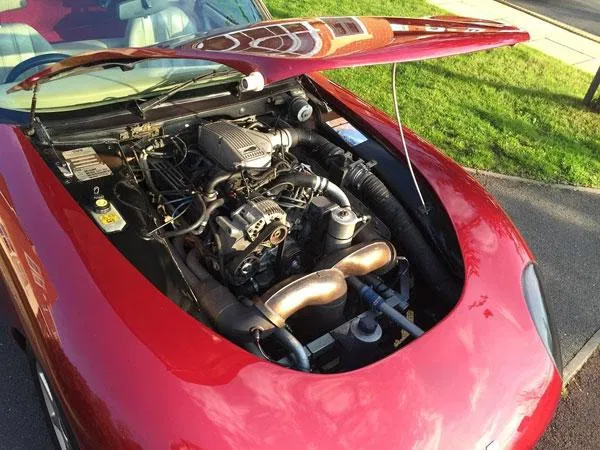
Icons of British Marques: They include models from iconic British marques such as Rover (e.g., Rover 75), MG (e.g., MG TF/F), Lotus (e.g., Lotus Elise S1), Jaguar (e.g., S-Type and XJ40/X300), and Ford UK (e.g., Escort RS2000), among others — vehicles that carry a lasting “premium” or sporting status that endures over time.
Aesthetic Duality Between “Plastique-Chic” and “Timeless Elegance”: The British Modern Classic market ranges from the “Wonderfully Ordinary” or *Plastique-Chic*, simple, functional everyday vehicles that evoke late-century nostalgia, such as the MG F or the Rover 200/400 (R3 Series), to icons with distinctive, timeless lines like the Lotus Elise S1 and the Jaguar S-Type. The former are celebrated for their stylistic boldness and period materials, including plastics paired with wood-effect trims that sought to convey accessible luxury. The latter embody a refinement that transcends trends, maintaining visual relevance decades later through the use of genuine luxury materials and designs that were, from the outset, conceived with classic proportions and heritage cues, cars that seemed born to become classics.
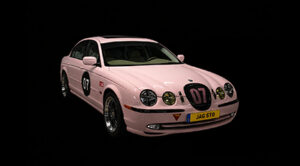
Limited Editions and Rarities: Many British marques, such as Rover, MG, Mini, Lotus, and Jaguar, released special versions featuring unique trims, distinctive colour palettes (including the iconic British Racing Green), and enhanced equipment packages. Brands like Aston Martin and Jaguar, often represented within the youngtimer sphere by 1990s models such as the Jaguar XJS or the S-Type, used limited editions strategically to sustain market interest, many of which are now regarded as investment-grade examples. Rarities such as the Jag STO, based on the aforementioned S-Type, today stand as clear references within the Retro Look movement of British Modern Classics, reinterpretations that honour heritage while amplifying individuality and exclusivity.
Market Appreciation: They are widely regarded as “future classics” whose values continue to rise, as well-preserved, high-quality examples are becoming increasingly difficult to find, effectively turning into true unicorn cars. Examples such as special editions of the Mini Cooper S from the 1990s and early 2000s, variants of the Lotus Cortina, limited editions of the Land Rover Defender, or select versions of the Jaguar S-Type are highly sought after by collectors within the Modern Classics segment.
Notable British Modern Classics Defined by Their Character
Within the sports car category, the following stand out:
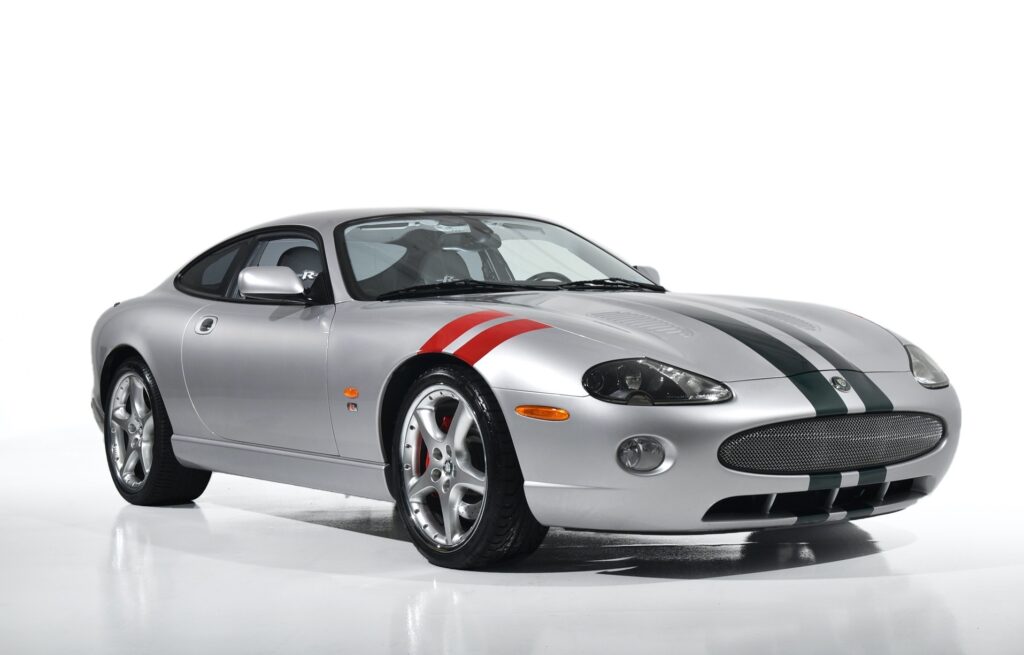
Jaguar XK (1996-2006): Launched with the intention of bringing the elegance of the legendary E-Type into the modern era, fitted with V8 engines, it stands alongside the XJ, XJS, and S-Type as a symbol of British refinement and luxury powered by large-displacement engines.
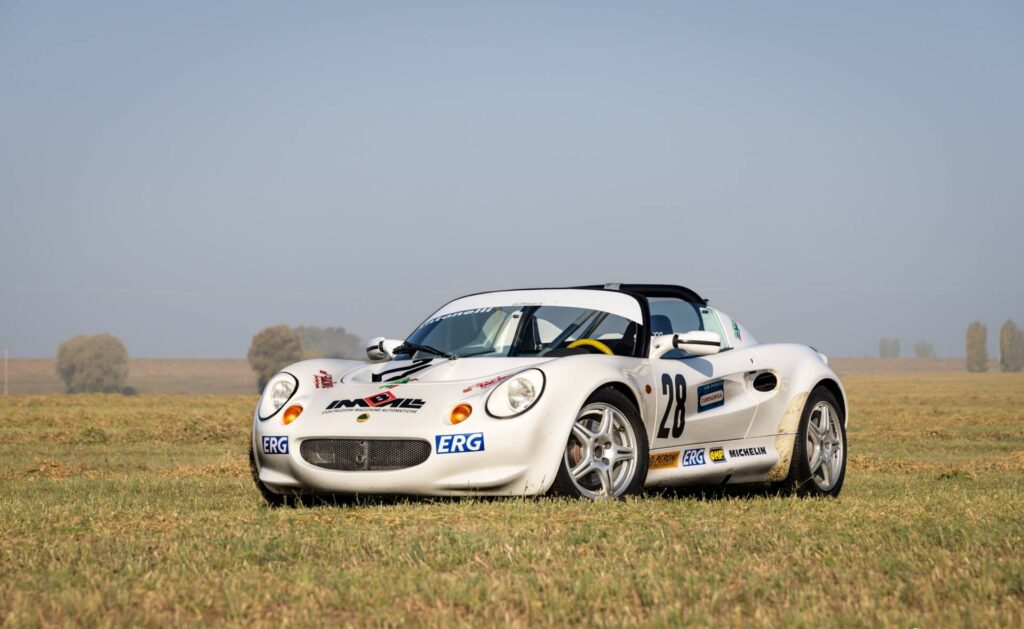
Lotus Elise S1 (1996-2001): An icon of lightweight engineering, weighing just 725 kg, it became an immediate success, remaining true to Colin Chapman’s philosophy of performance through simplicity and reduced mass.
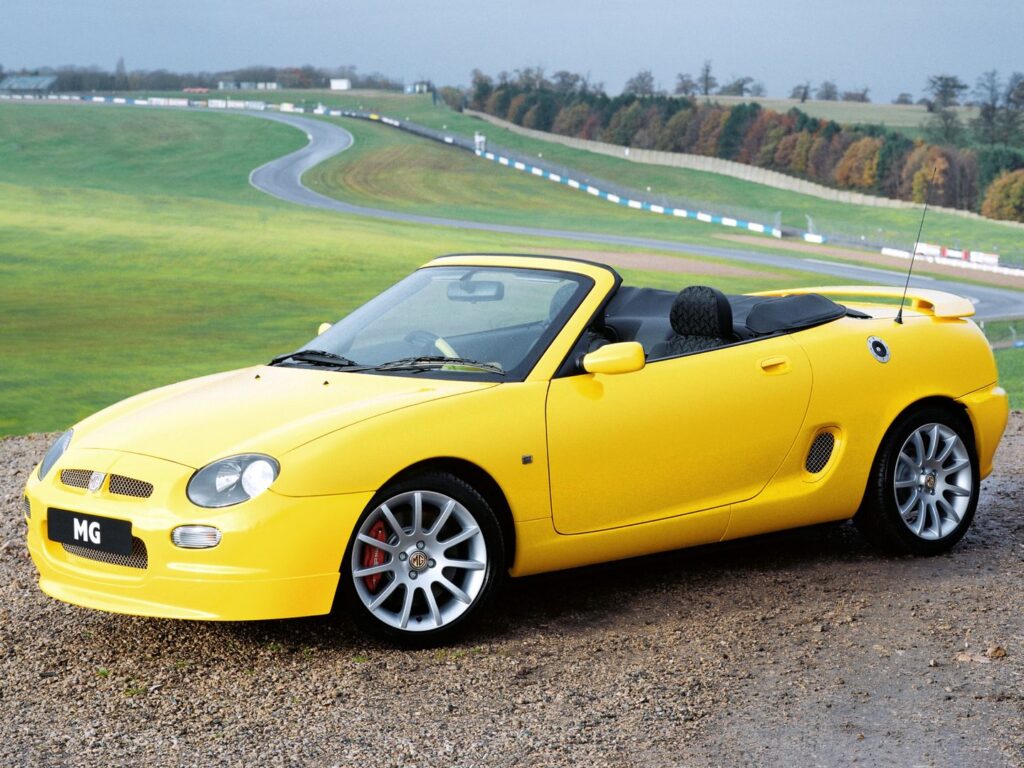
MG F (1995-2002): A mid-engined two-seat roadster that marked MG’s return in the 1990s. It remains a highly affordable option for those looking to take their first steps into classic car collecting.
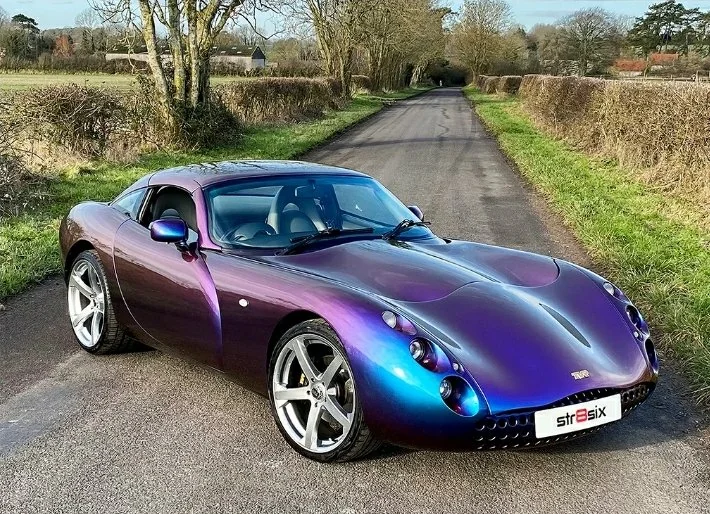
TVR Tuscan (1999-2006): Renowned for its radical aesthetics, bespoke interior, and captivating driving dynamics. It embodies raw performance and unfiltered intensity, delivered without the intervention of electronic driving aids.
Among the benchmarks in high-performance luxury saloons are:
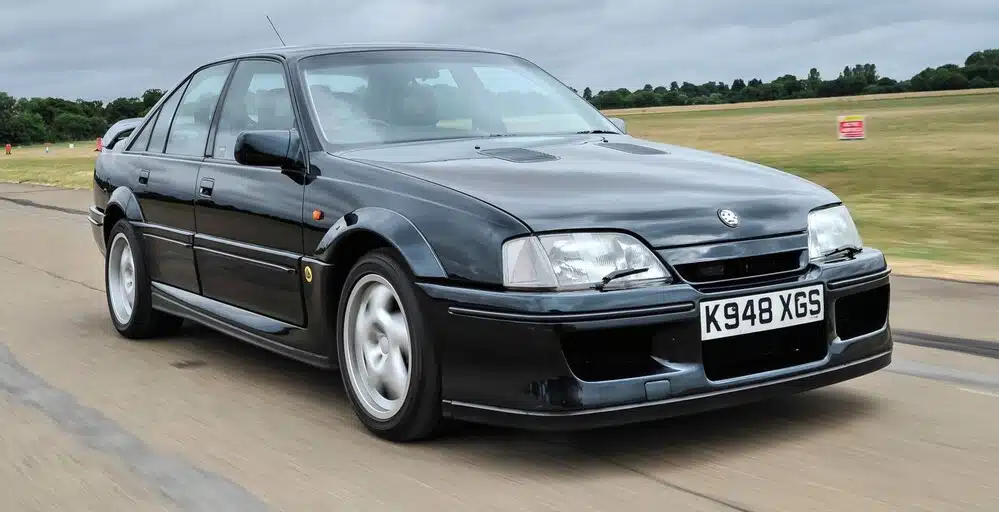
Lotus Carlton (1990-1992): A four-door saloon developed in collaboration with Opel, delivering brutal performance for its time, 382 horsepower, and reportedly considered “unwelcome” by the House of Lords due to its extraordinary top speed.
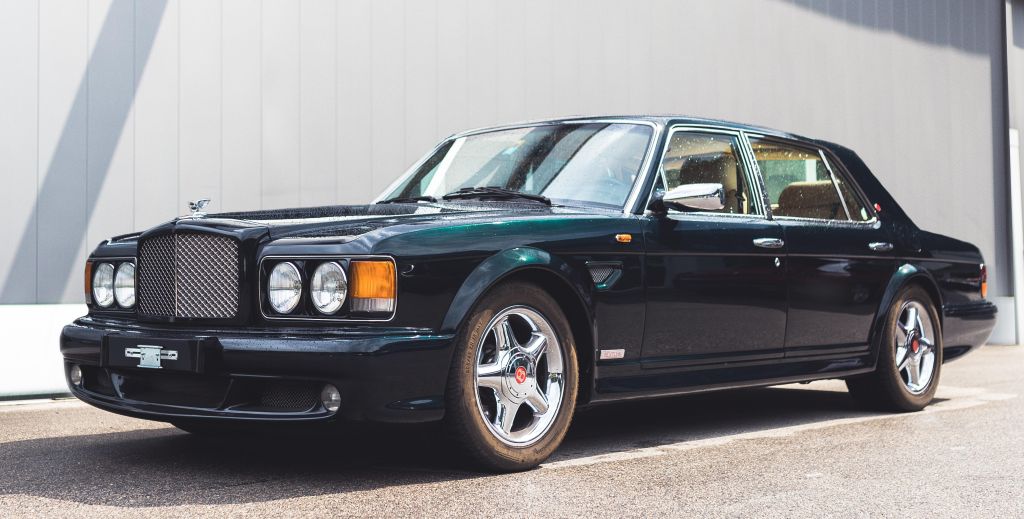
Bentley Turbo R o Mulsanne (Años 80): They represent Bentley’s leap into modernity, distinguishing themselves through a more dynamic character and a sporting expression of luxury when compared to Rolls-Royce.
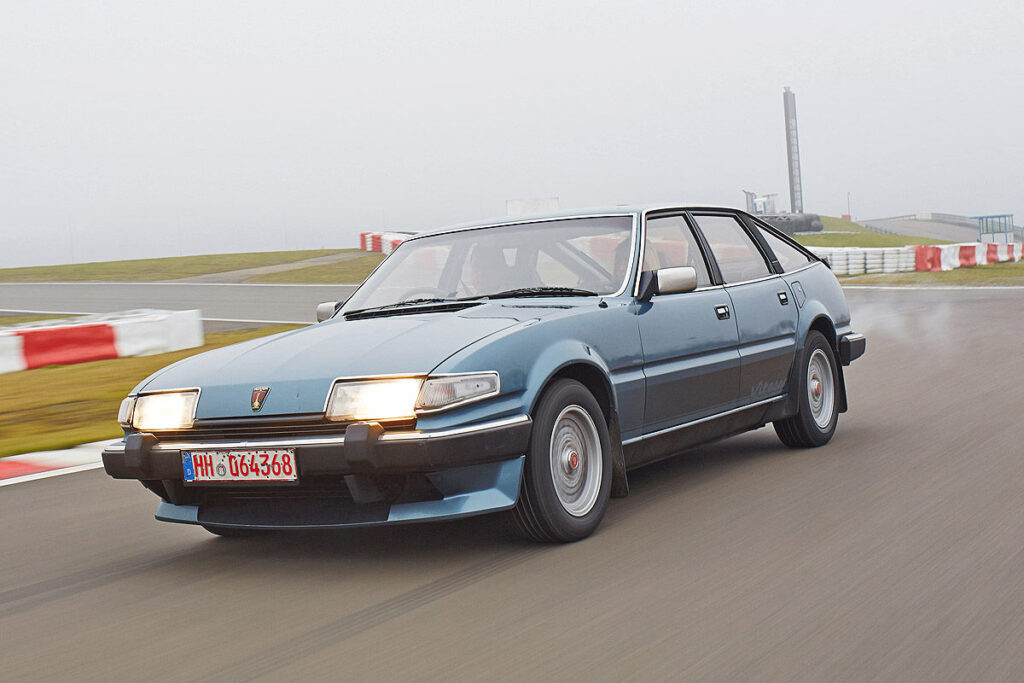
Rover SD1, late production years in the 1980s: Although originally launched in 1976, its final production units are regarded as cult British Modern Classics, celebrated for their striking fastback silhouette inspired by the Ferrari Daytona.
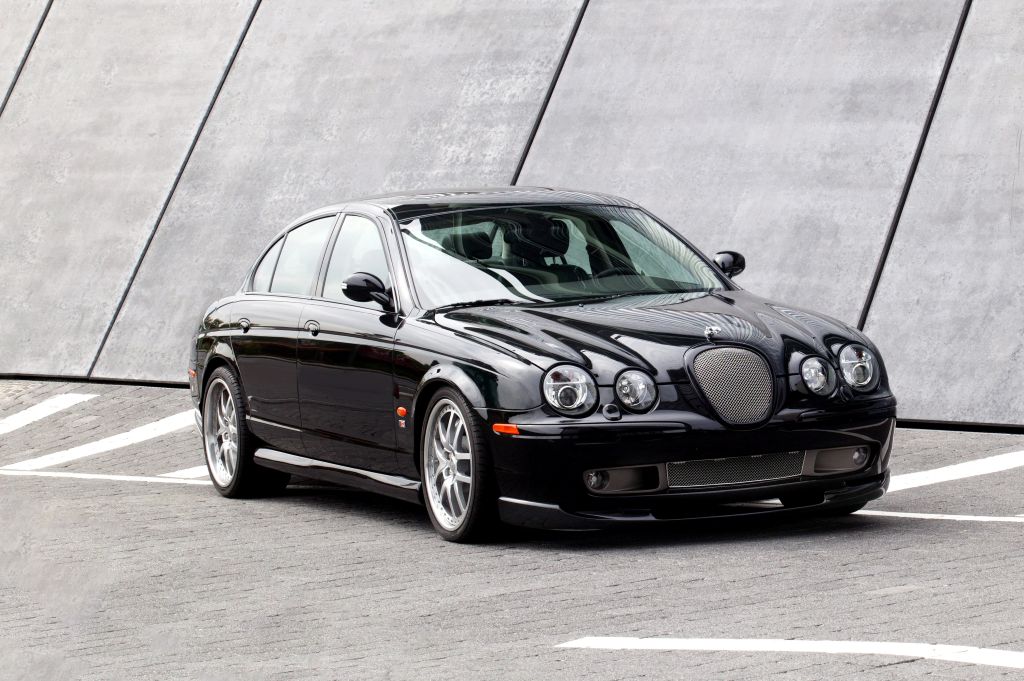
Jaguar S-Type (1999-2007): Este modelo marcó el regreso de Jaguar al diseño neo-retro de los años 60, con su característica parrilla ovalada. Como modern classic, es valorado en sus versiones de alto rendimiento (especialmente el S-Type R con motor V8 sobrealimentado de 400 CV) por ofrecer una combinación única de lujo, confort de marcha y prestaciones contundentes, representando una alternativa distintiva a las berlinas alemanas de la época.
Finally, among the iconic everyday cars are:
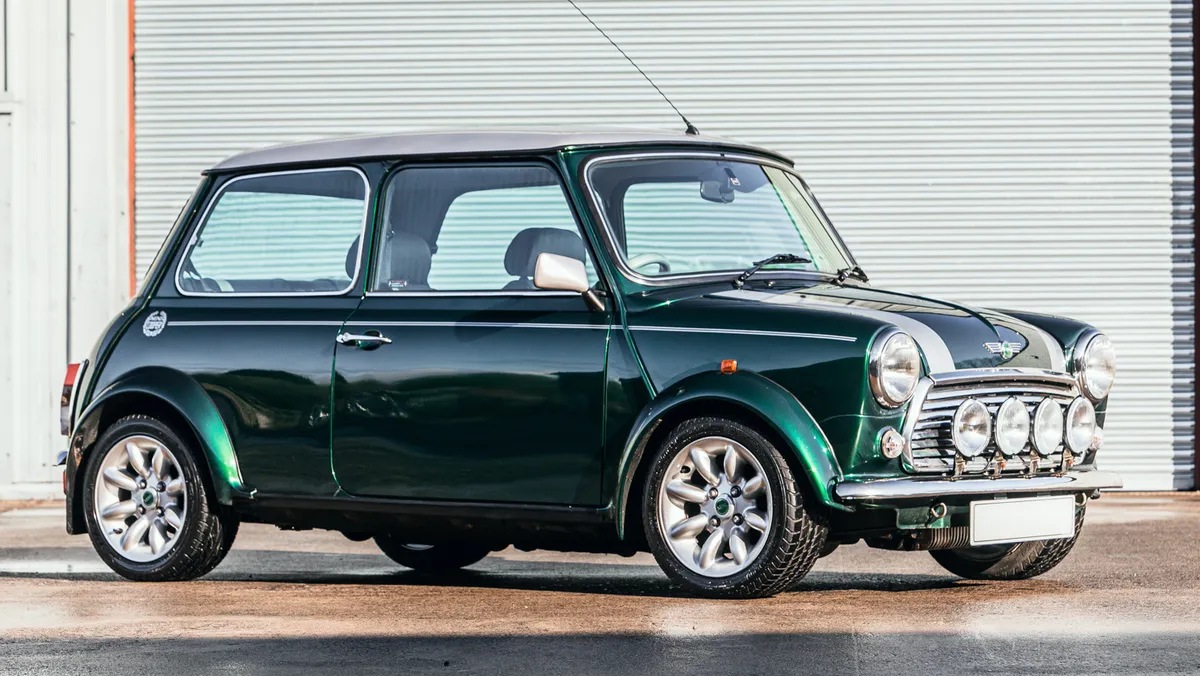
Mini Original (British Motor Company – since 2000): The quintessential British classic, which continued in production until the late 1990s, preserving its iconic design and outstanding urban performance.
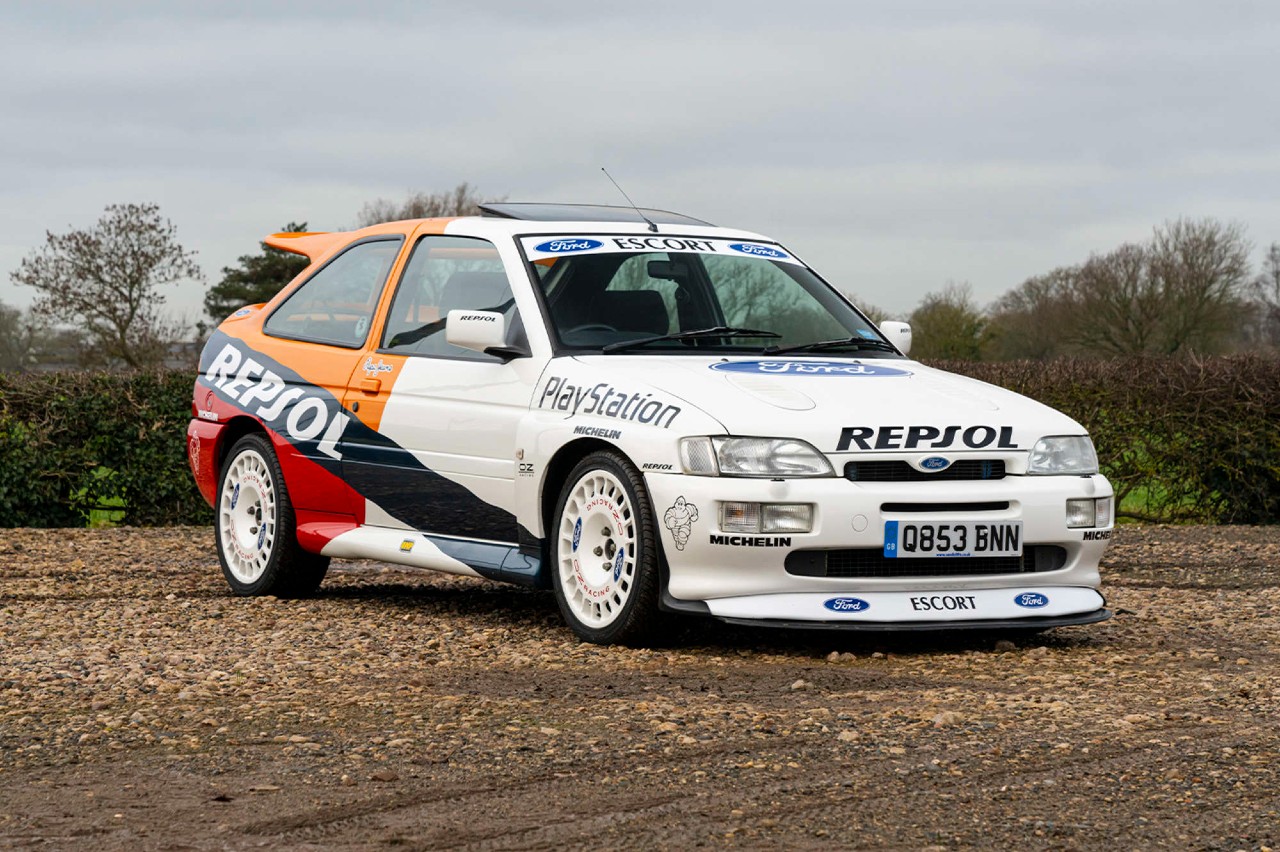
Ford Escort RS Cosworth (1992-1996): Although mechanically based on the Sierra, it became one of the most significant rally icons ever brought to the road, instantly recognisable by its unmistakable rear wing.
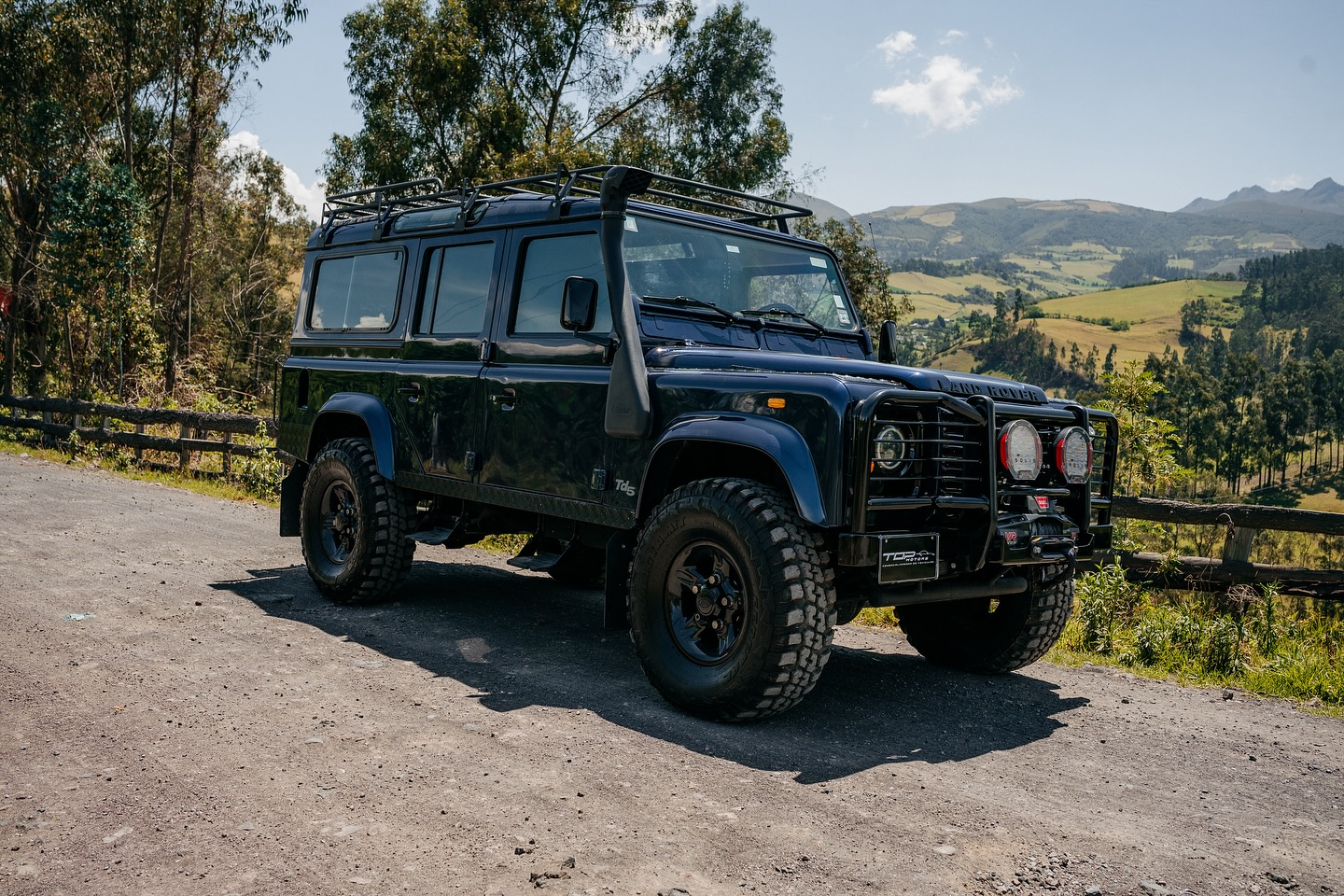
Land Rover Defender (post-1989): It officially adopted the Defender name upon the launch of the Discovery, solidifying its reputation as an indestructible off-road vehicle and a symbol of British rugged capability.
Jaguar S-Type: An Accessible British Modern Classic with Strong Appreciation Potential
The Jaguar S-Type, produced approximately between 1999 and 2008, stands out for combining the essence of classic British luxury with modern technology and accessibility. It represented a pivotal turning point for the brand under Ford ownership and today establishes itself as an accessible British Modern Classic with strong future potential.
Modern Classic Characteristics
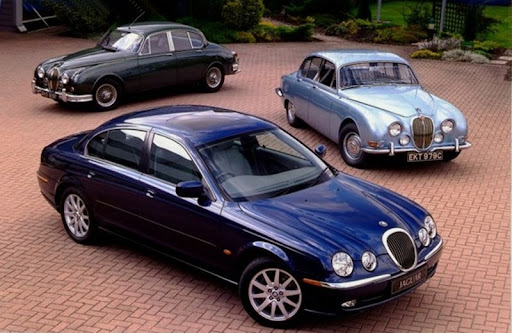
“Neo-Retro” Design: Launched in 1999, the S-Type was intentionally designed with a retro-inspired aesthetic that paid tribute to the iconic Jaguar Mk2 of the 1960s. This design language, characterised by its oval grille and distinctive headlamps, has remained elegant and aged gracefully, setting it apart from the more contemporary and purely functional saloons of its time.
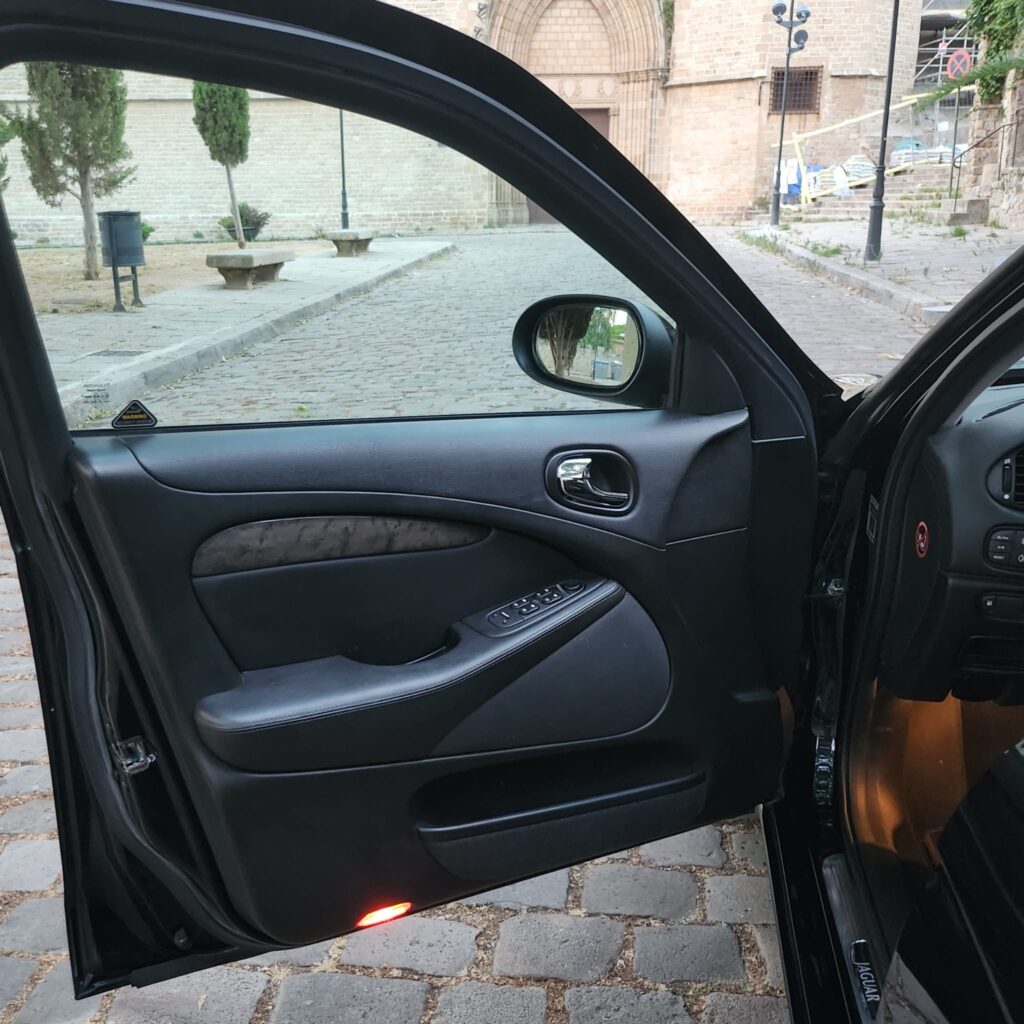
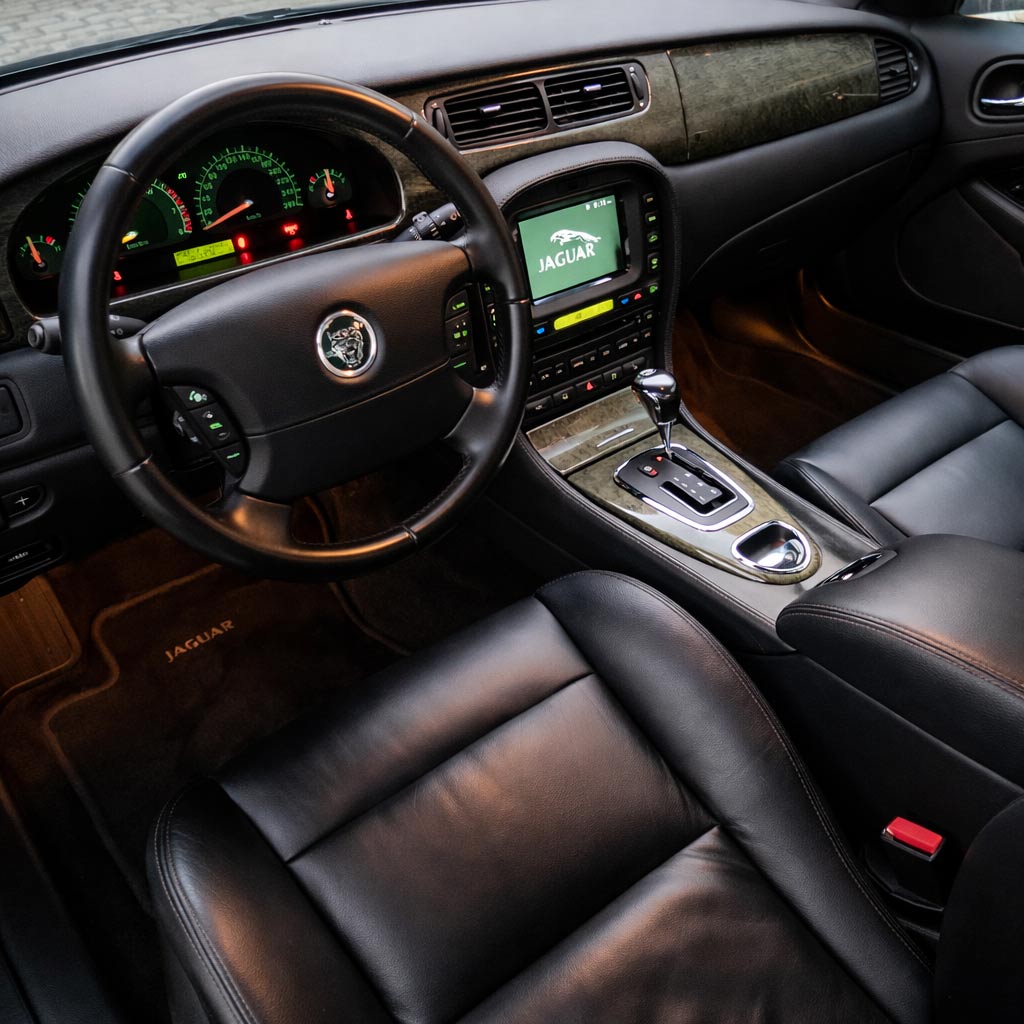
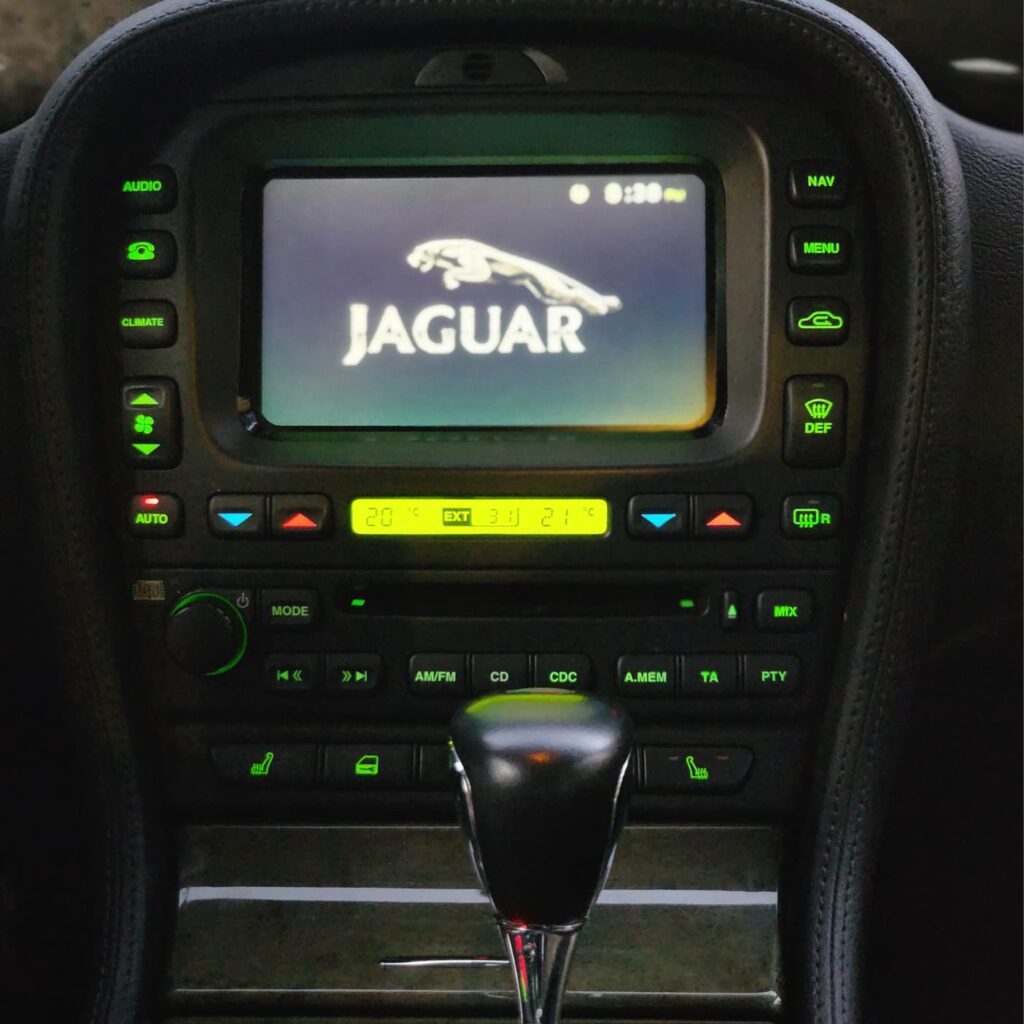
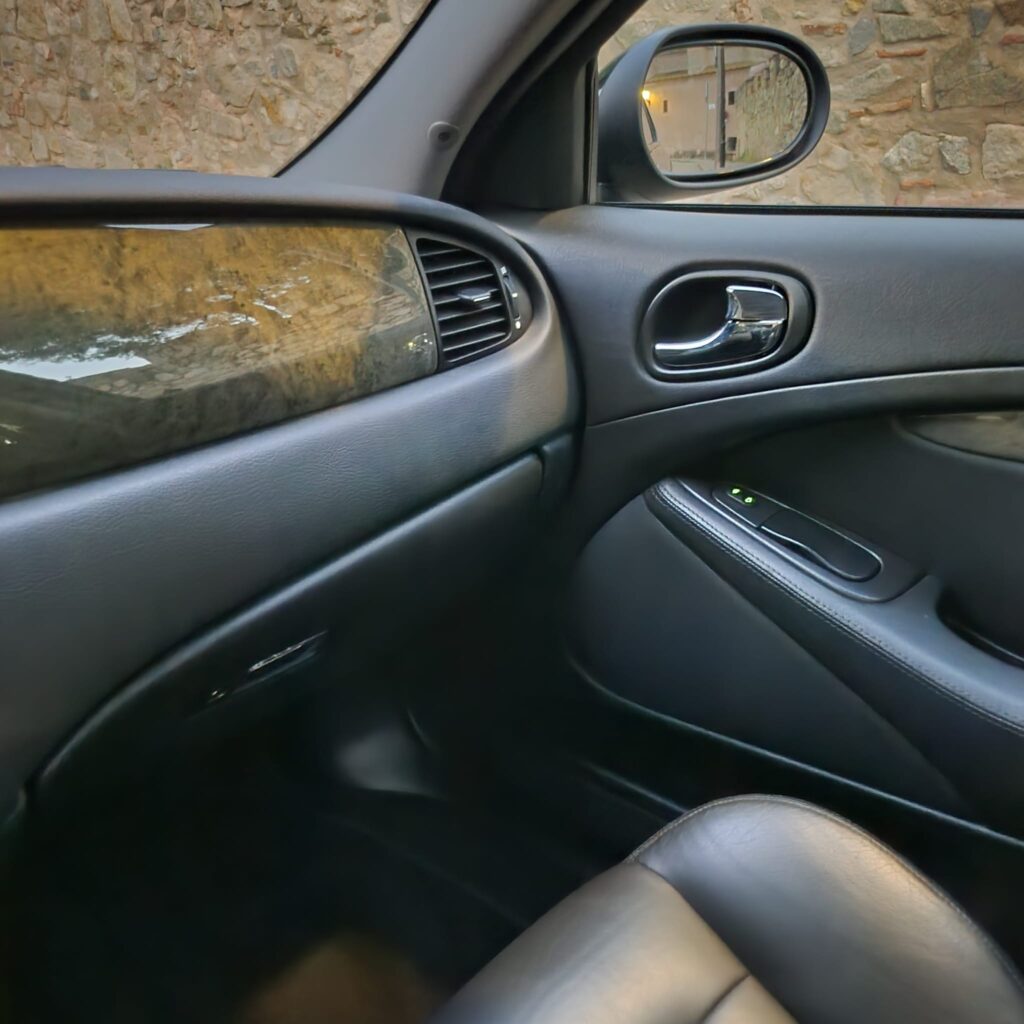
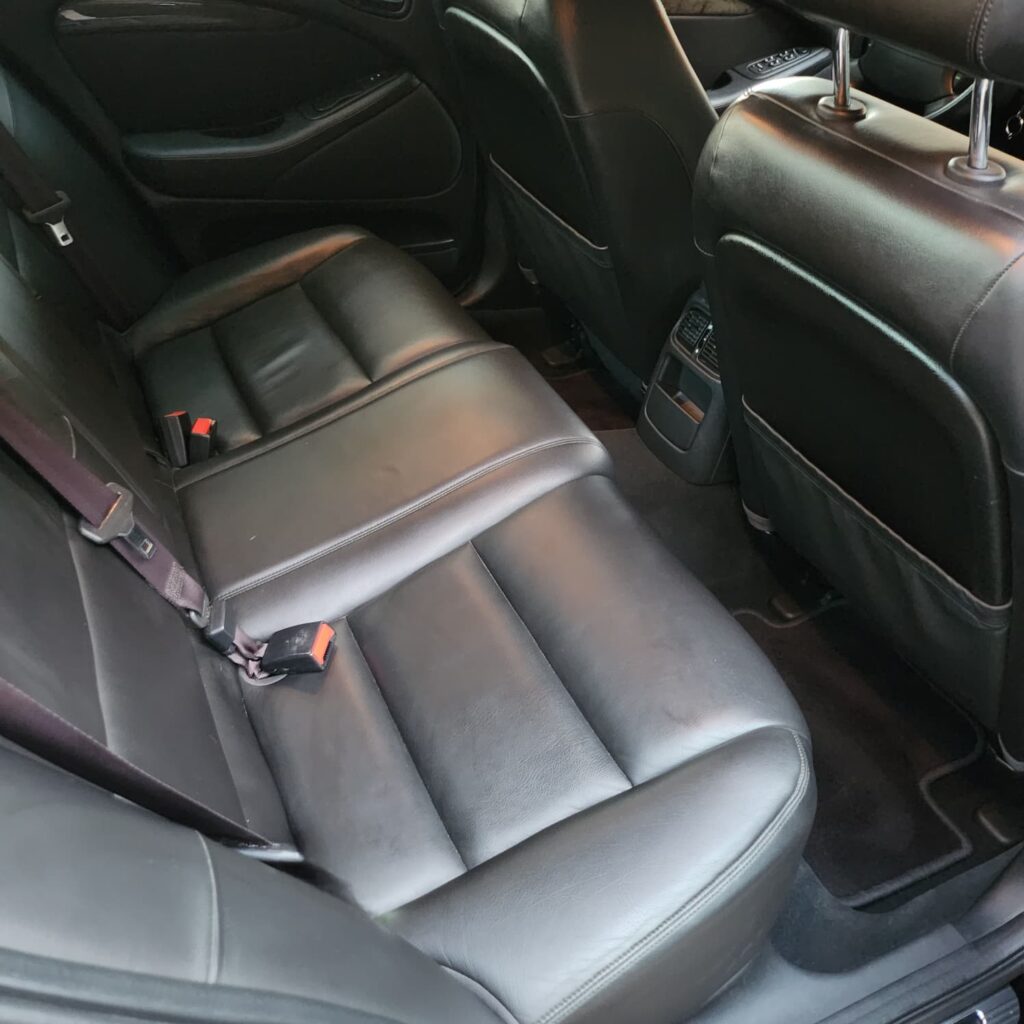
British Luxury Heritage: Although developed during the Ford era, the S-Type was manufactured in the United Kingdom, at Castle Bromwich, and conceived to capture the heritage of Jaguar’s sporting saloons. It features classic interiors trimmed in wood and leather, preserving the atmosphere of traditional British luxury while integrating modern engineering standards.
Characterful Engine Options: The S-Type stands out for offering both V6 engines and supercharged V8 units, as seen in the S-Type R, delivering a driving experience that is both powerful and refined, qualities highly valued in a Modern Classic. The fact that the V6 engine block was developed with engineering input from Porsche adds a distinctive layer of technical interest to this model.
Accessible Pricing and the “Forgotten Jaguar” Status: For many years, it was regarded as a “forgotten Jaguar”, which allowed its prices on the second-hand market to remain accessible, making it an ideal gateway into the world of British classics. At the same time, it is increasingly difficult to find low-mileage, single-owner examples in well-preserved condition. Today, it is widely considered an “underrated Modern Classic”, a model whose true value is only now beginning to be recognised by discerning enthusiasts.
For all these reasons, the Jaguar S-Type firmly qualifies as a Modern Classic, a vehicle that blends the nostalgia of traditional British design with everyday usability, refined V6 and V8 engines, and growing appreciation among Jaguar enthusiasts seeking an accessible entry into the world of British Modern Classics.
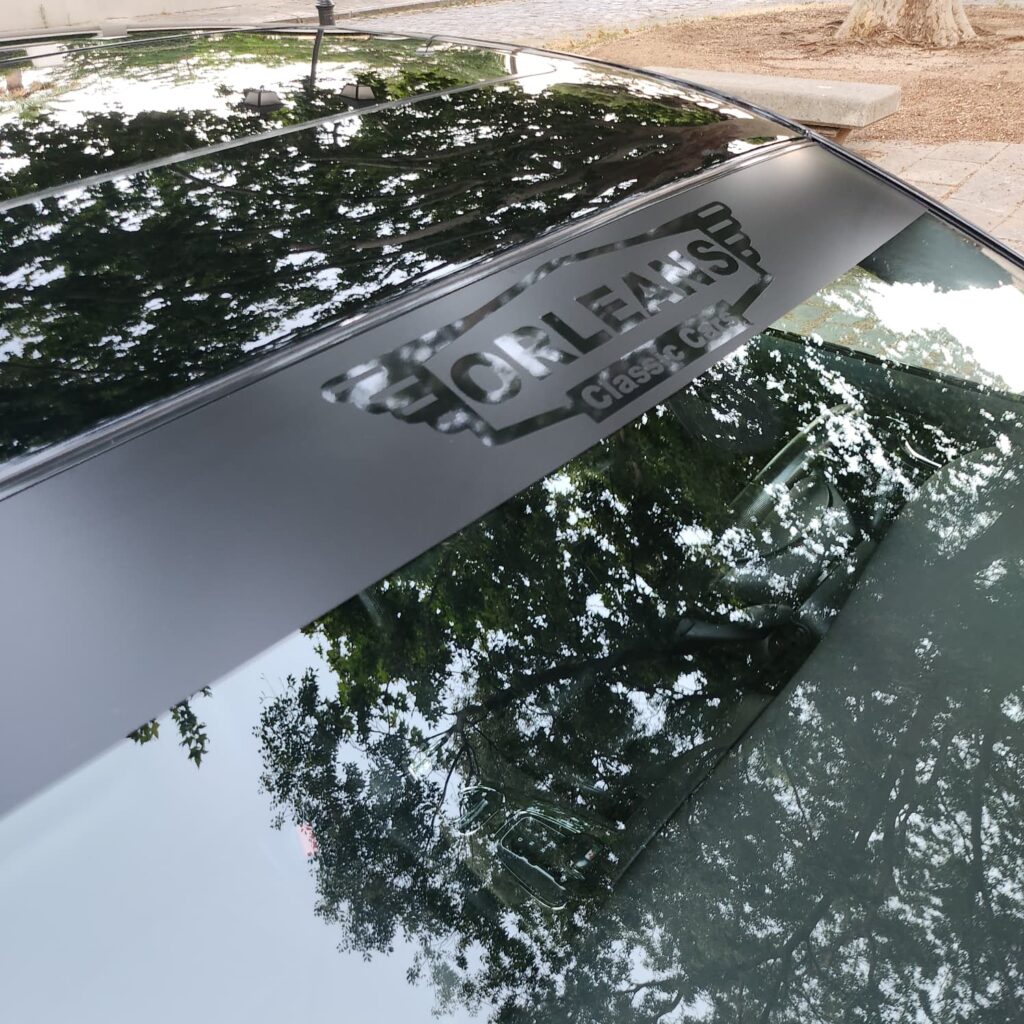
Jag STO: Retro Look Based on the S-Type, by Orleans Classic Cars
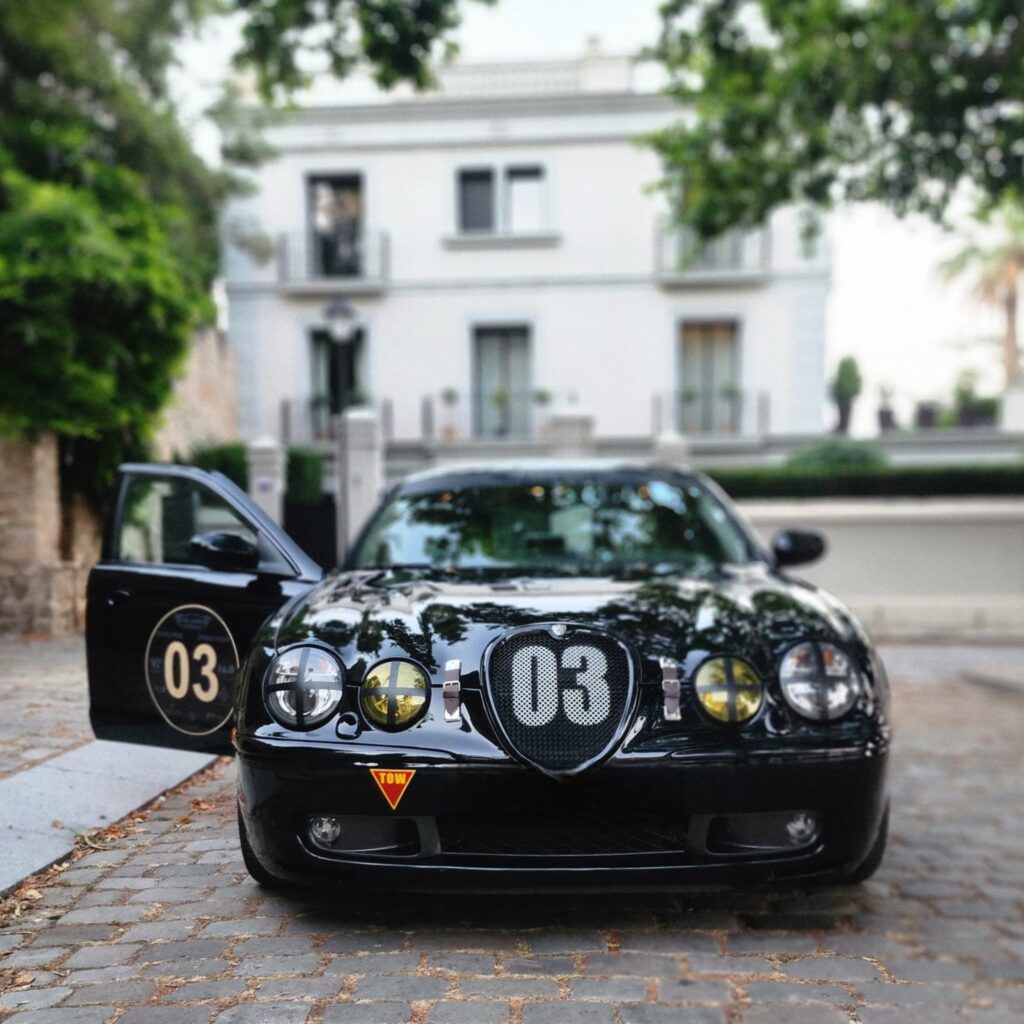
The “Retro Look” philosophy of Orleans Classic Cars begins with the careful selection of an S-Type in impeccable condition, single ownership, always maintained at an official Jaguar workshop, and with fewer than 70,000 kilometres, and enhances it with historical and aesthetic attributes designed to evoke the spirit of the 1960s and 1970s. Rather than projecting the car into the future, this approach deliberately transports it into the past, reinterpreting its identity through heritage-inspired details that celebrate classic British motoring culture.
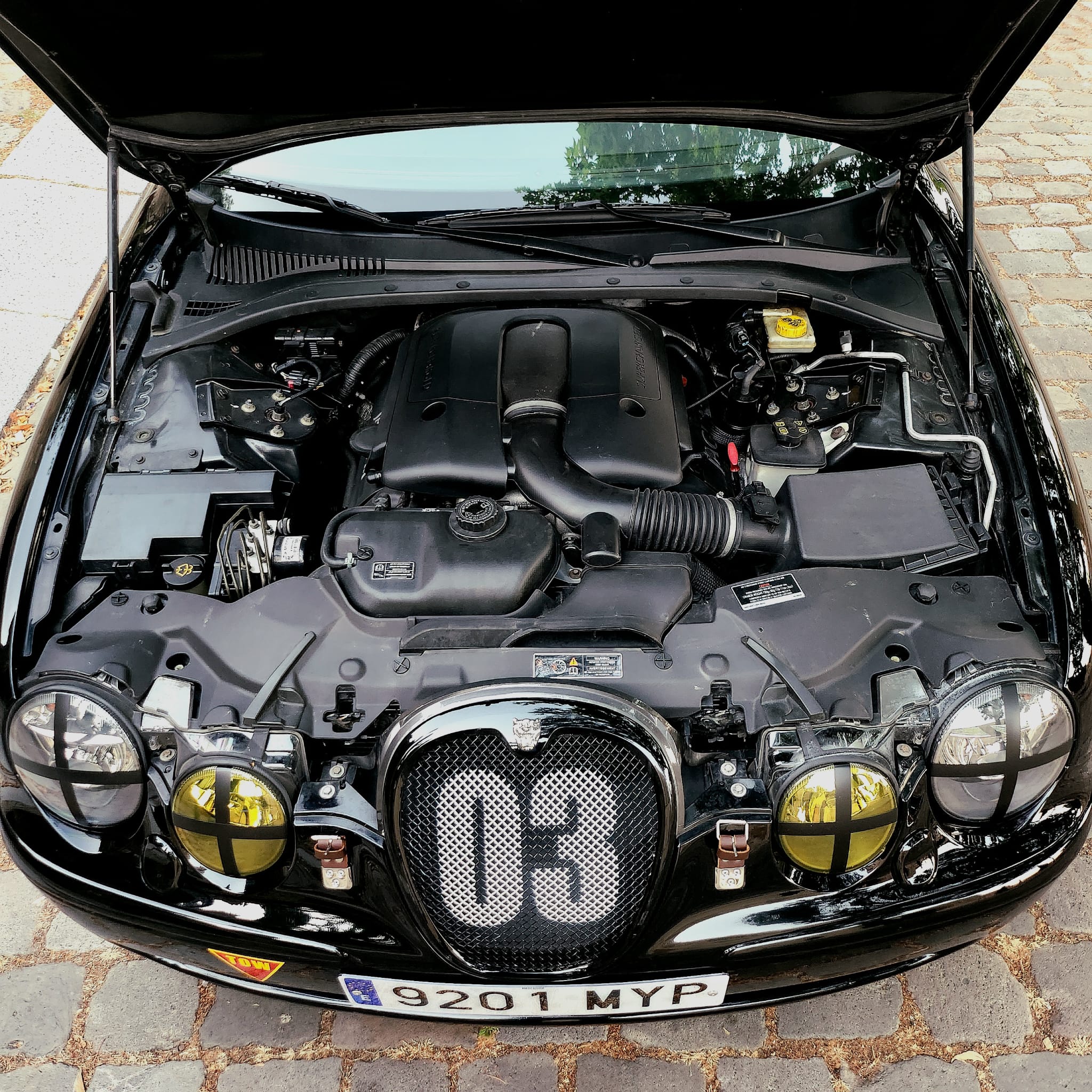
the Jag STO is the iconic example of Orleans Classic Cars in the art of reinterpreting this model through the codes of classic British motorsport. It stands as a benchmark of the Retro Look philosophy and embodies the purest expression of Jaguar’s unmistakable feline style.
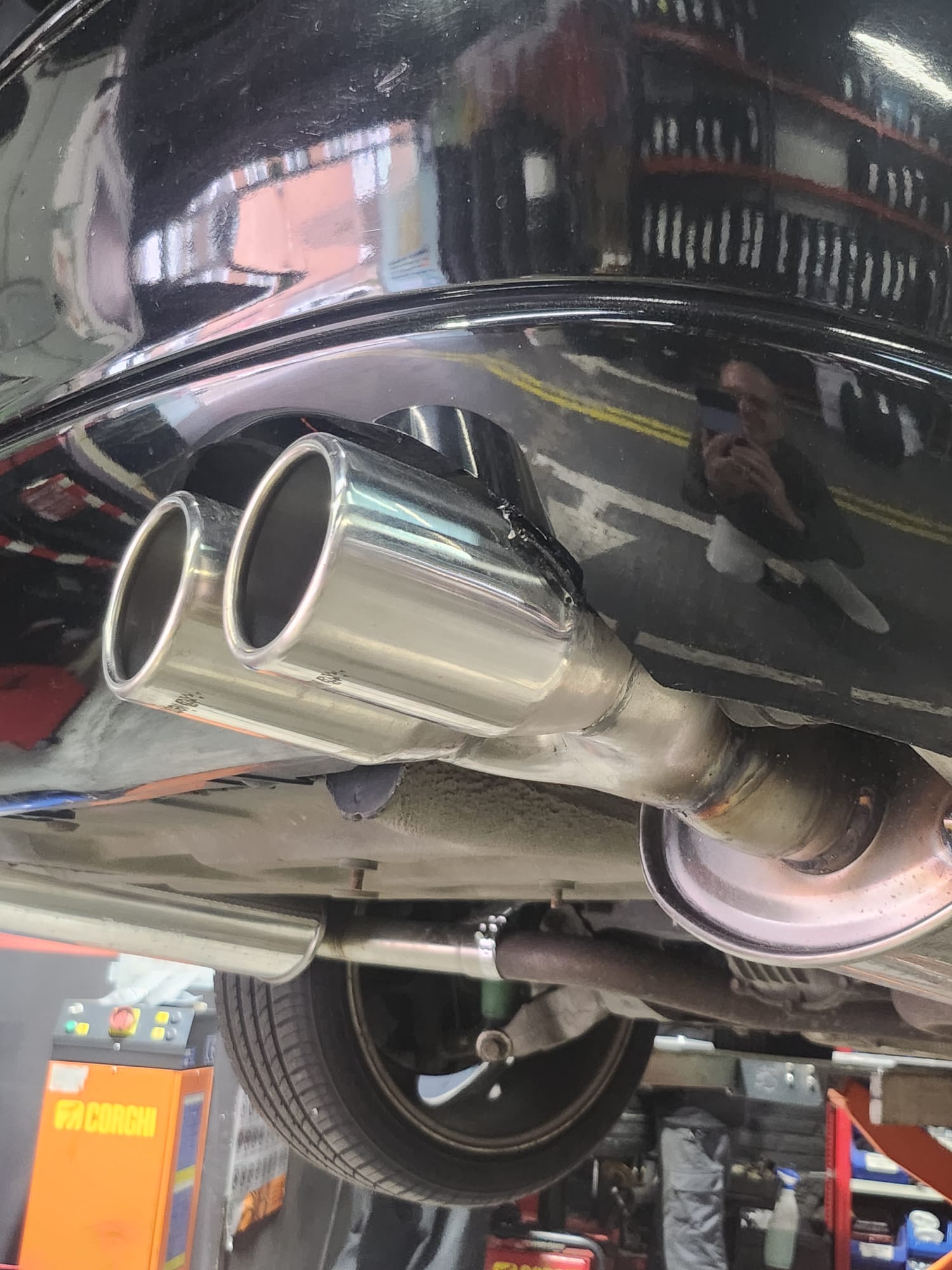
The STO preparation includes the following features, designed to enhance its more racing-oriented and retro character:
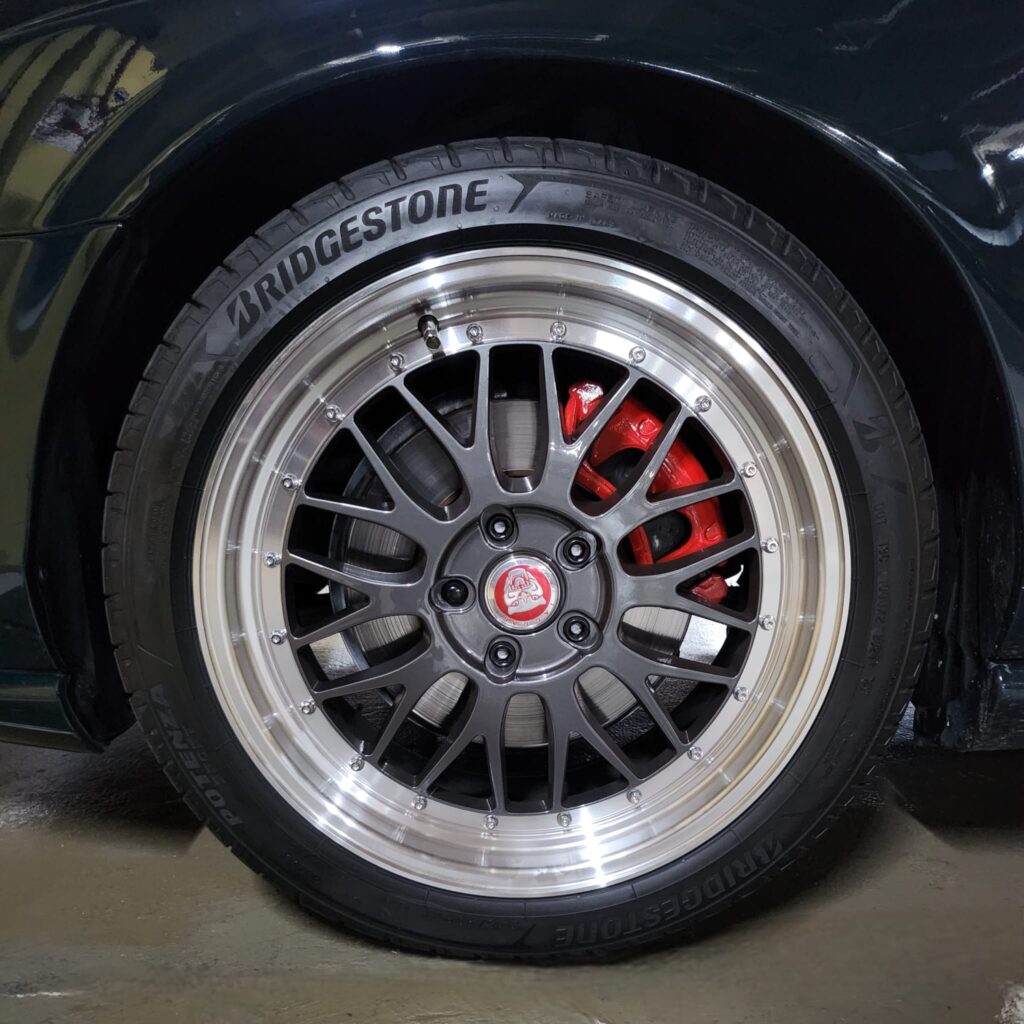
- 245/40 R18 tyres (BRIDGESTONE POTENZA SPORT)
- JR23 18×8.5J alloy wheels – ET35 Type-approved.
- H&R 29436 VA sport springs (>25mm) Type approved. e11*98/14*0115*
- Sport suspension dampers.
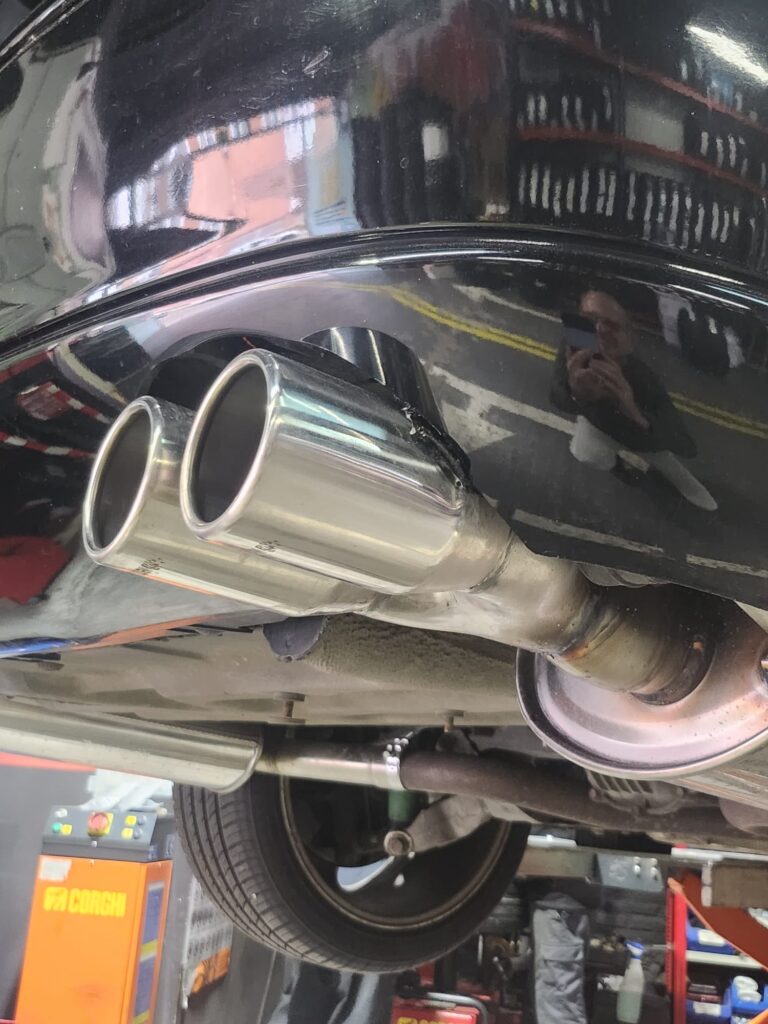
- DCC Racing C23 exhaust system. Type-approved. e9*70/157*96/20* 4876*00.
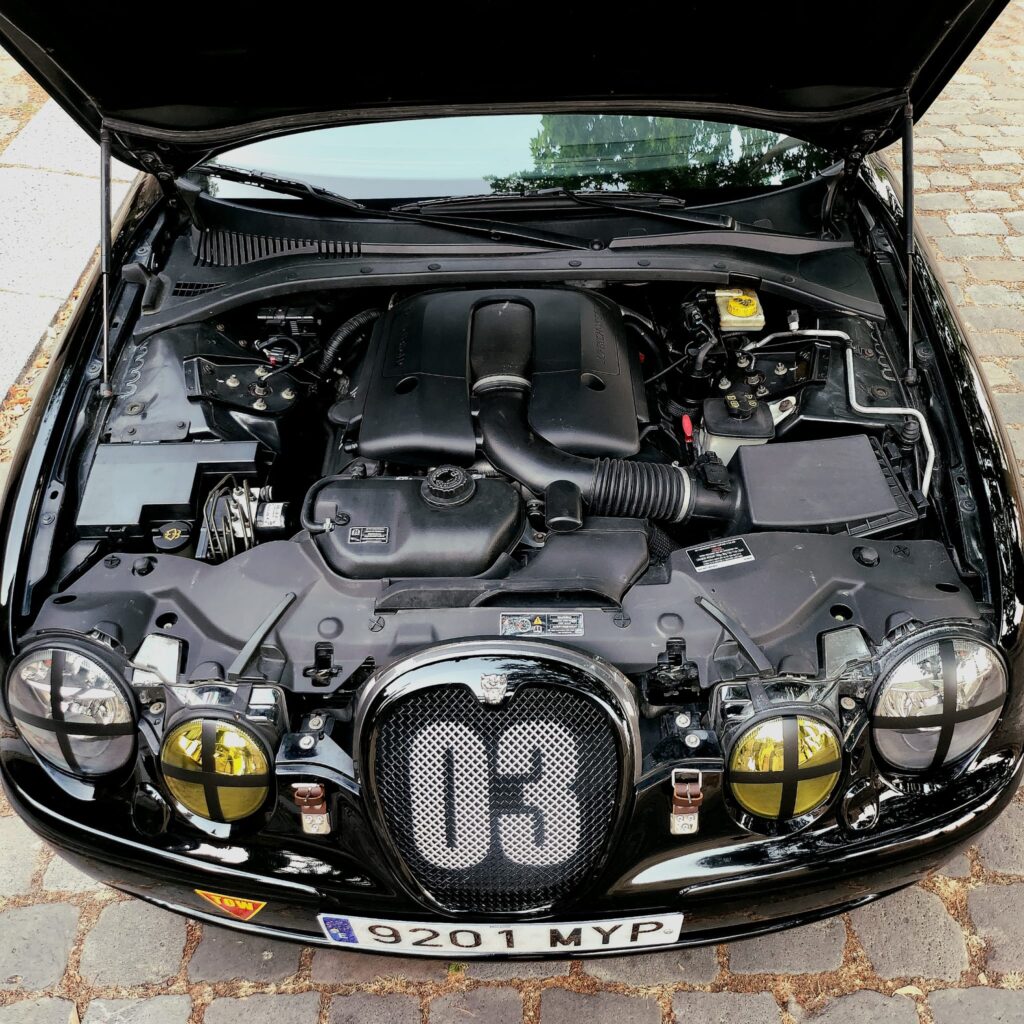
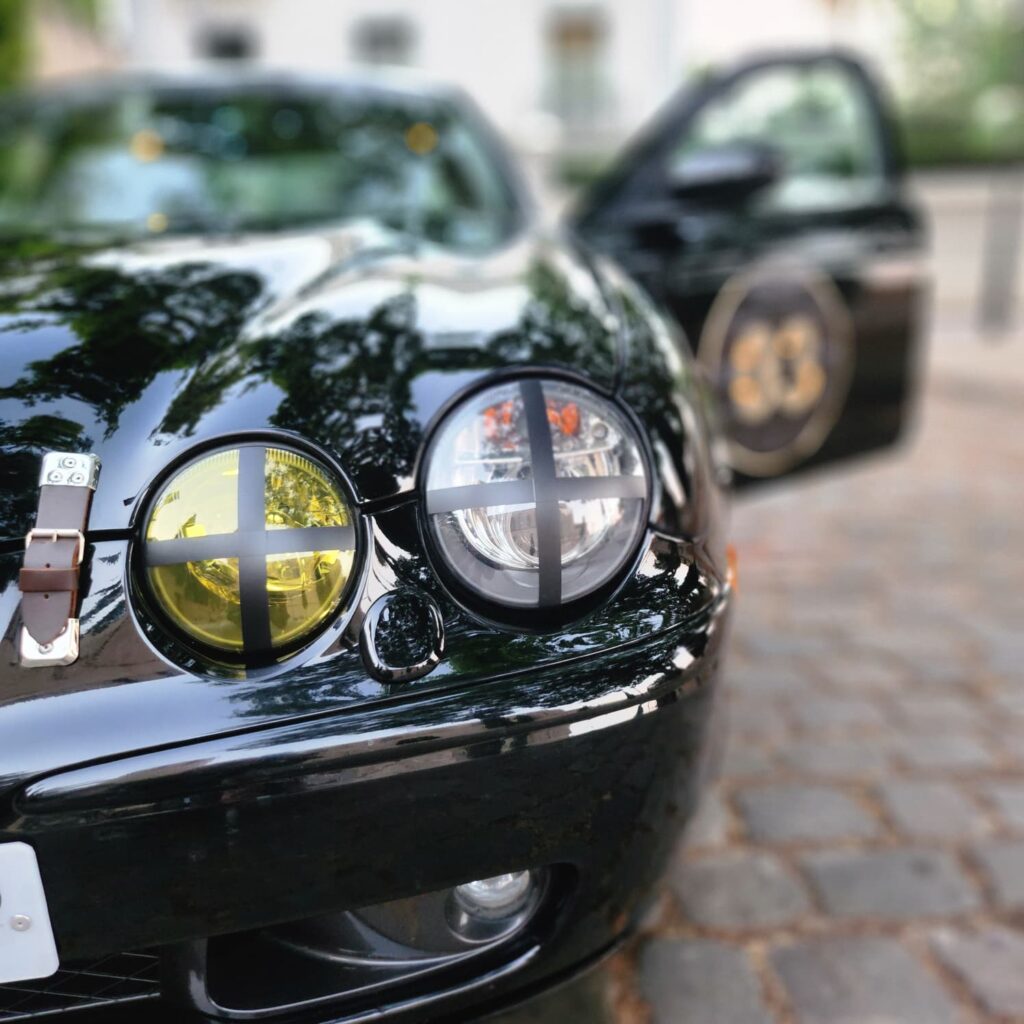
- Retro racing headlights Type-approved.
- Orleans front visor Type-approved.
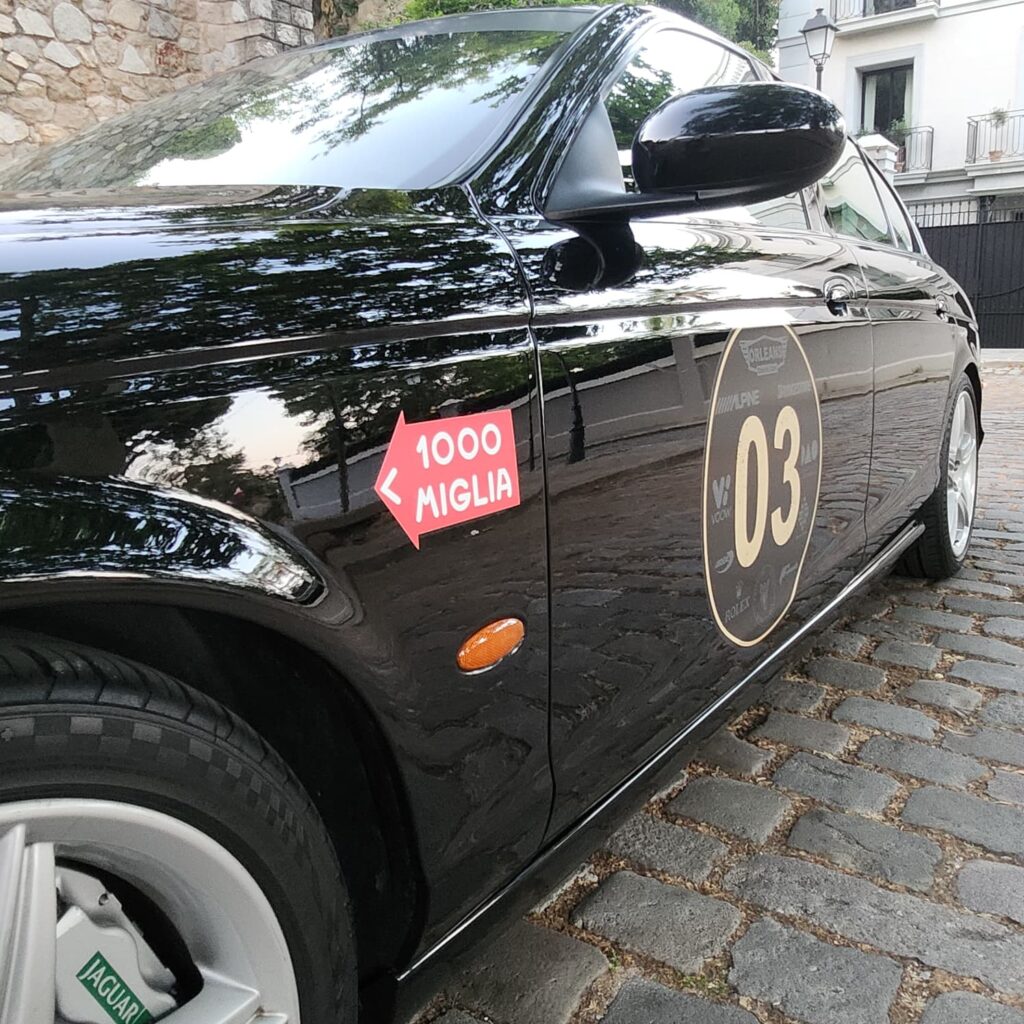
- Numbered racing decal.
- Walnut and perforated leather steering wheel. Interior upholstery components.
- Analogue chronographs.
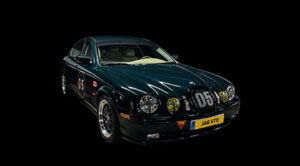
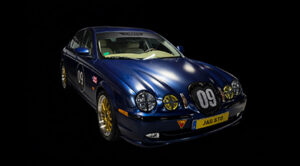
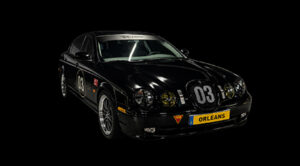
- Historic colour palettes such as British Racing Green, Ecurie Ecosse Blue, Sakura Miami Pink and Metal Black.
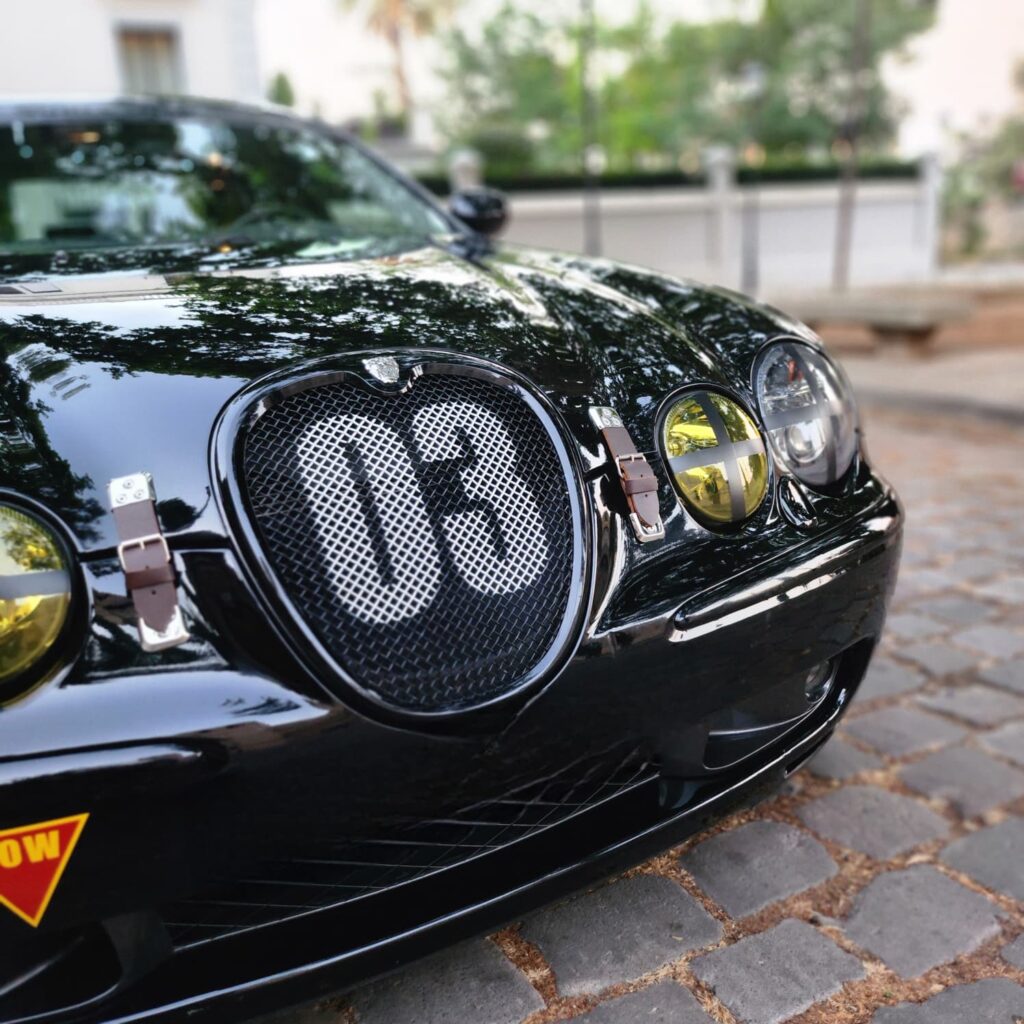
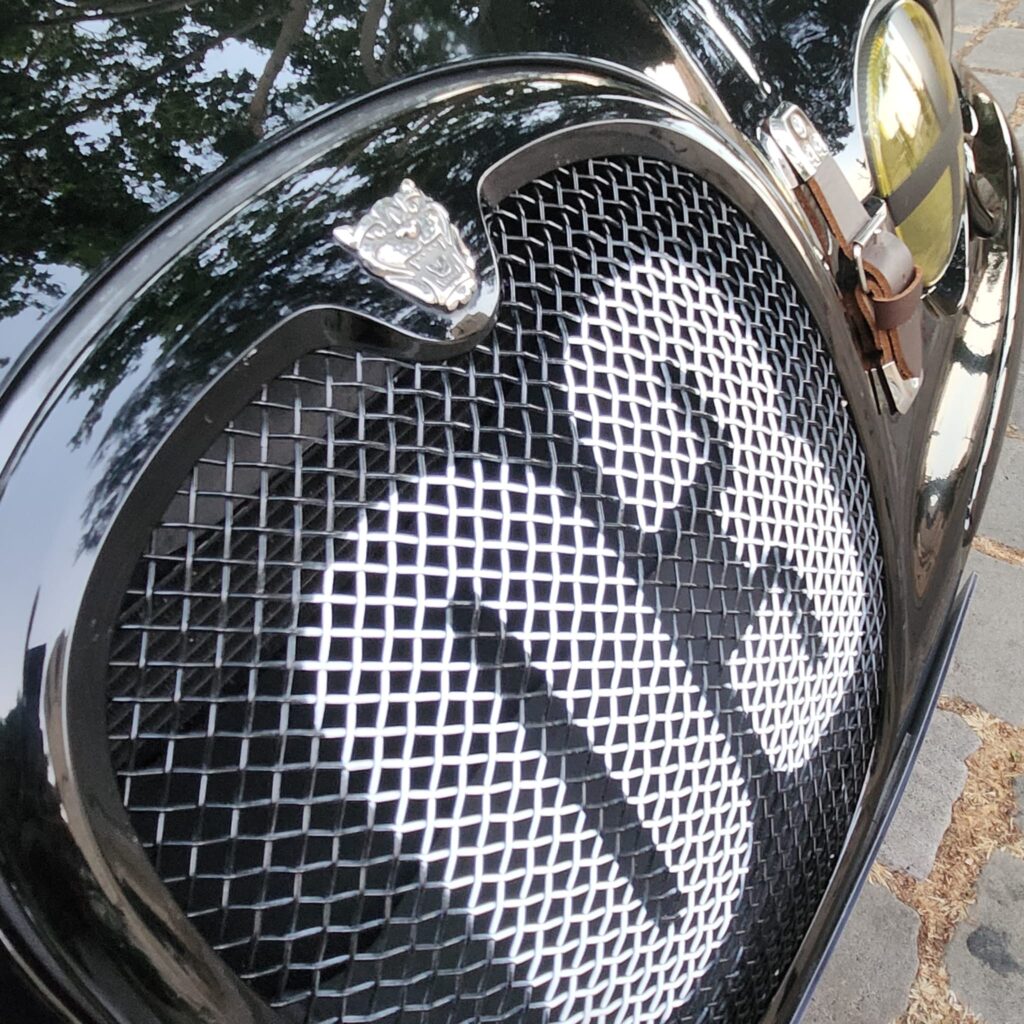
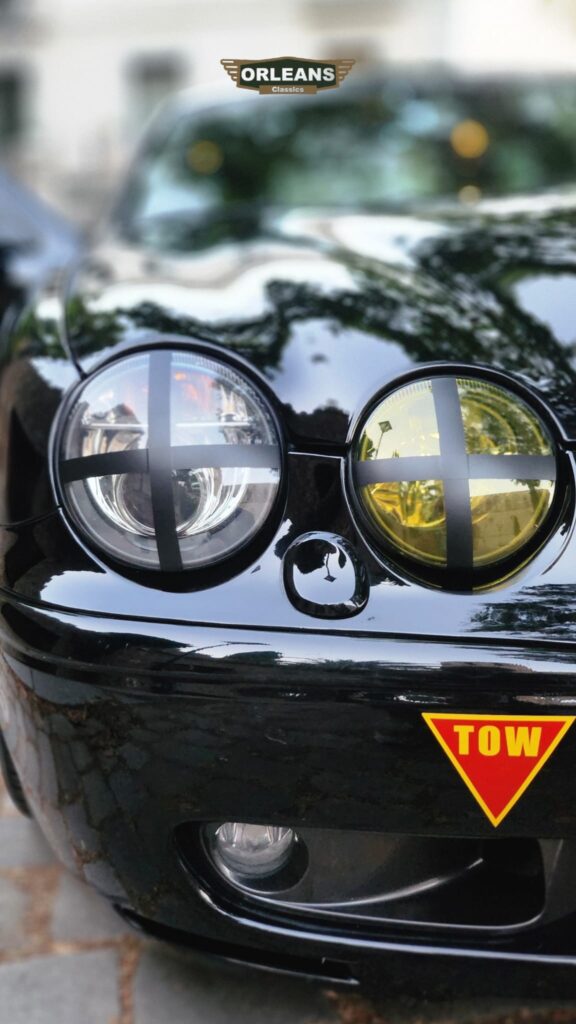
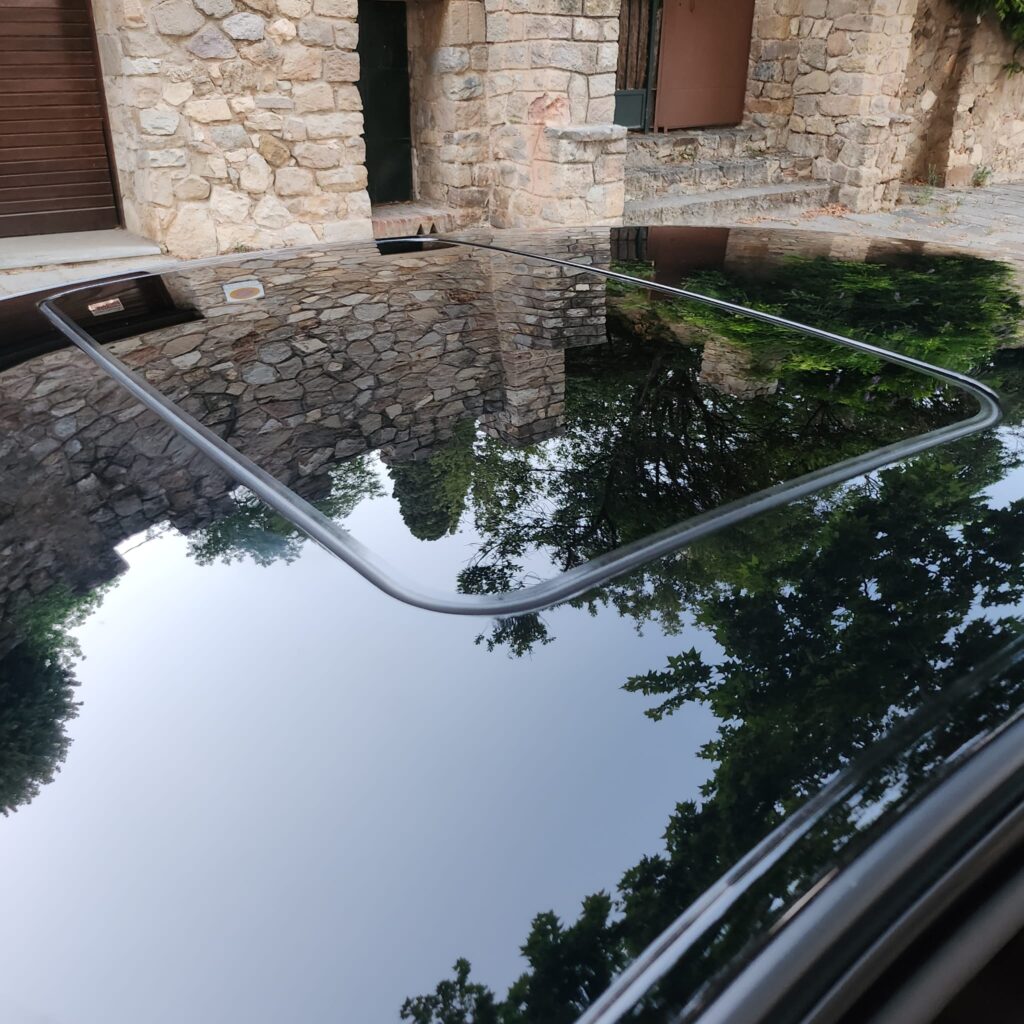

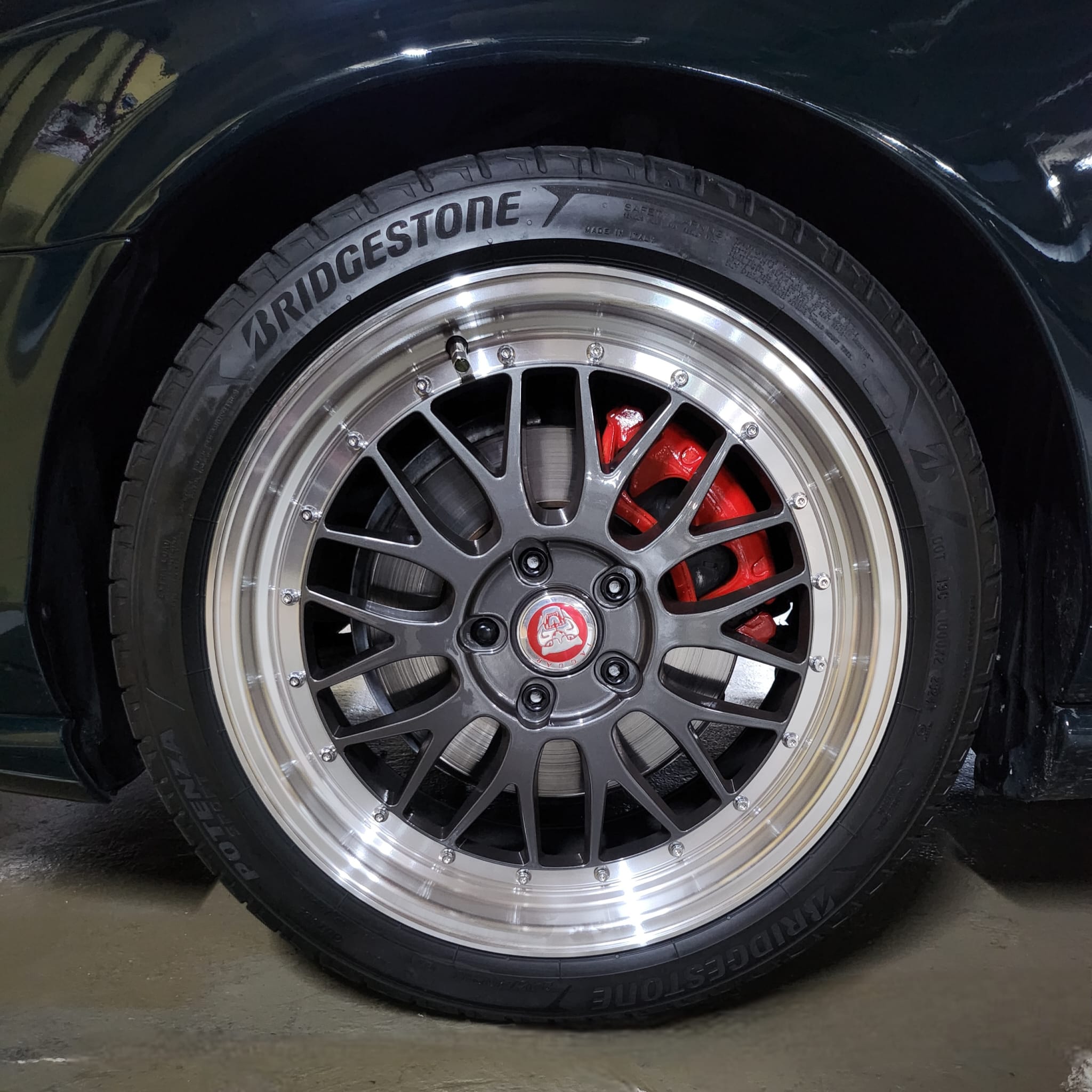
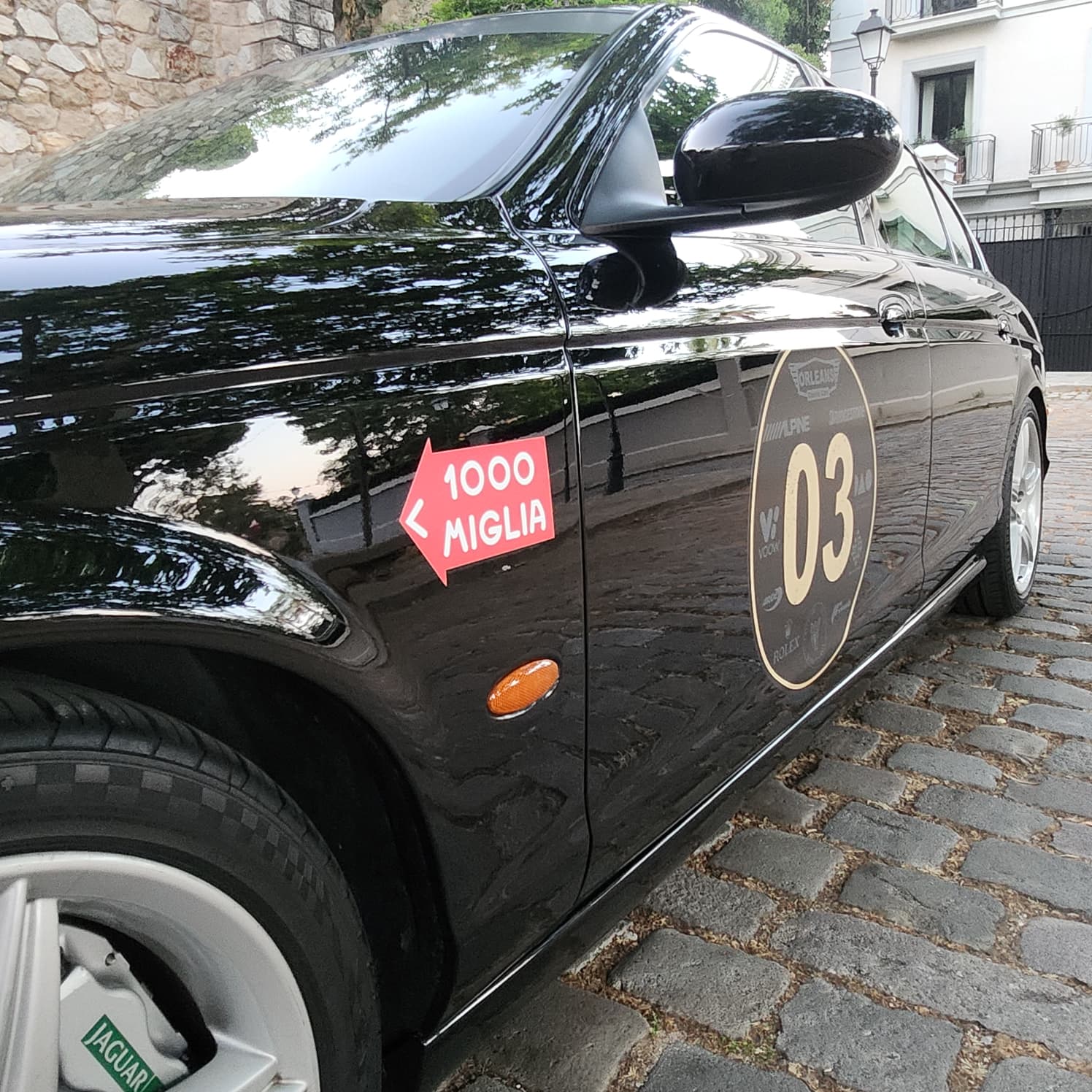
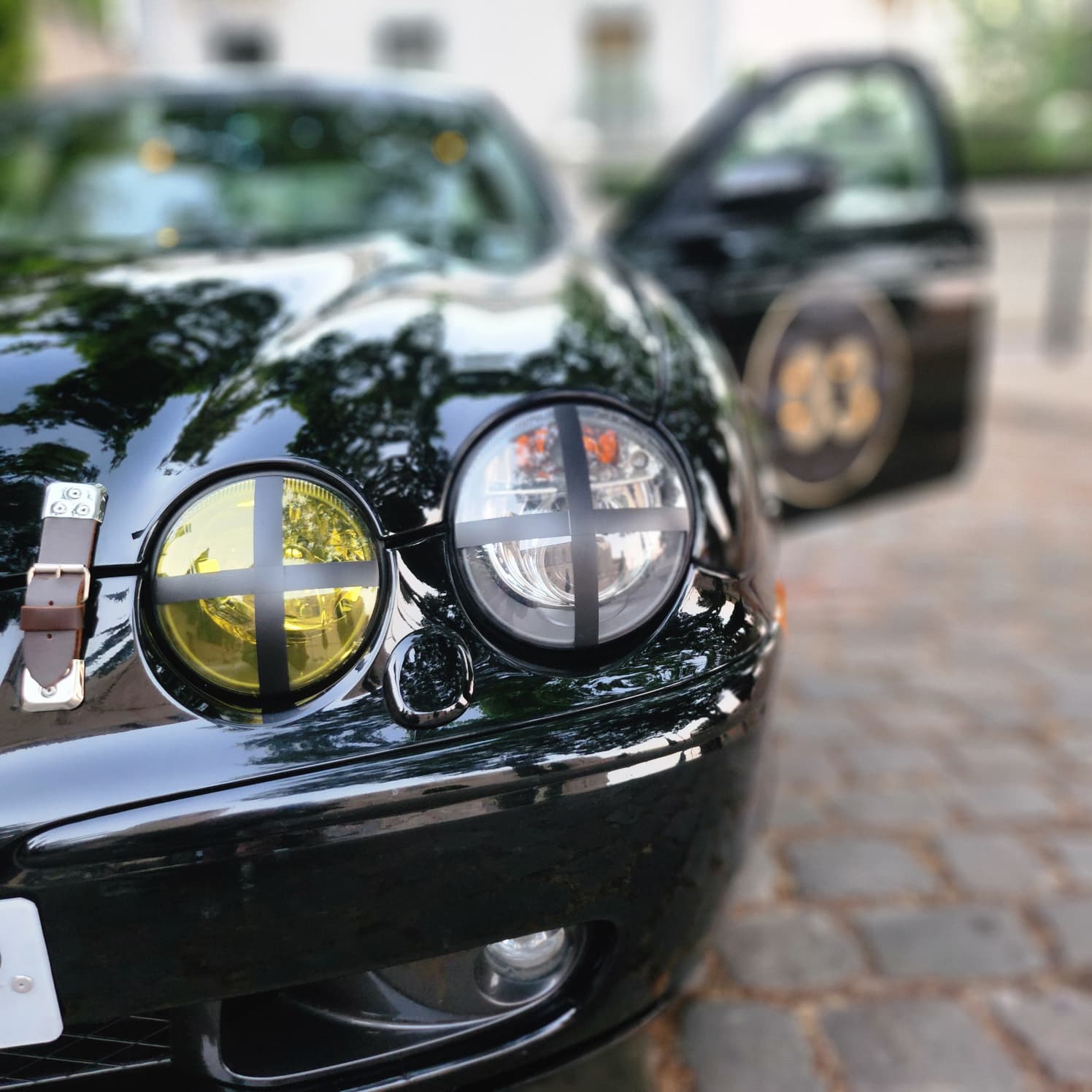
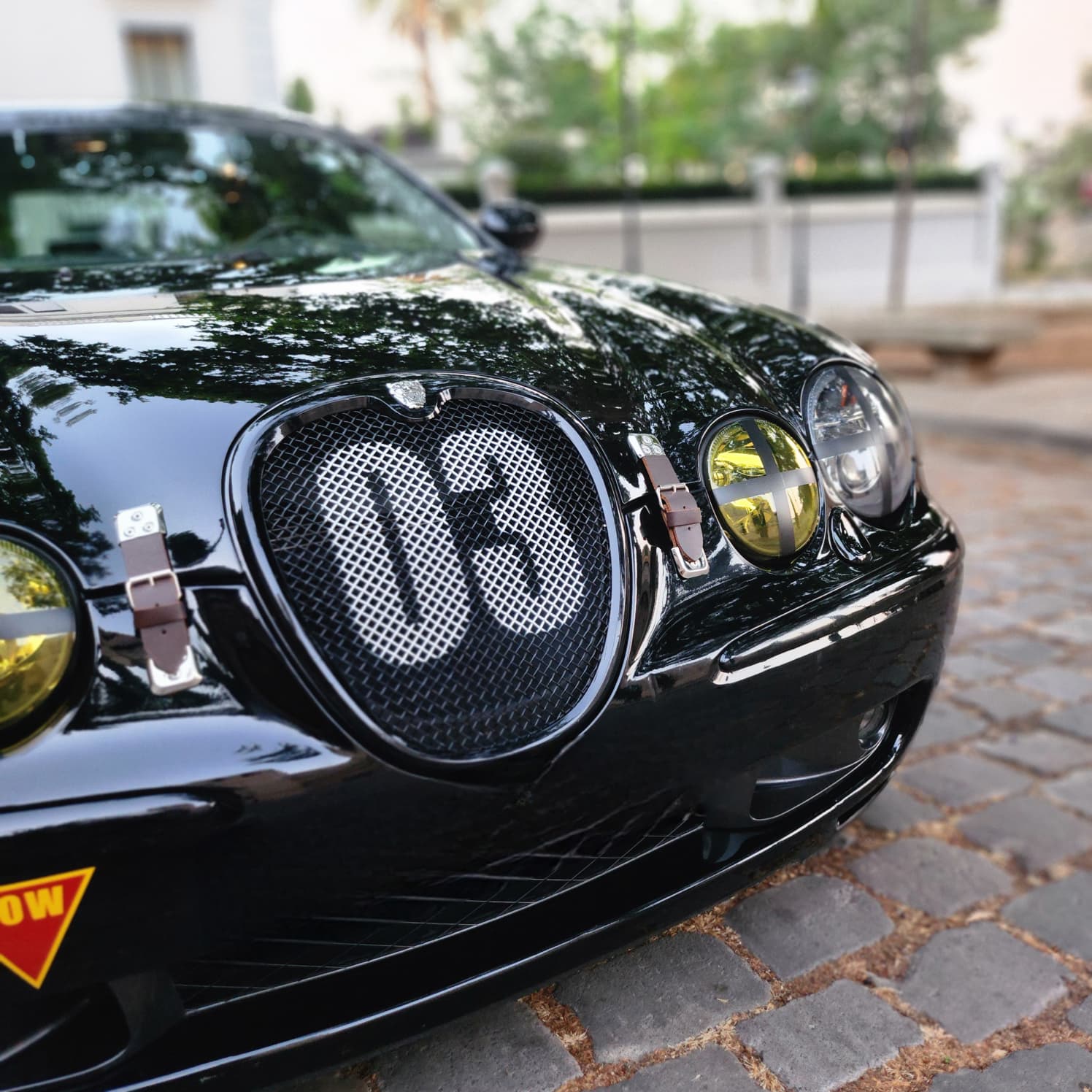
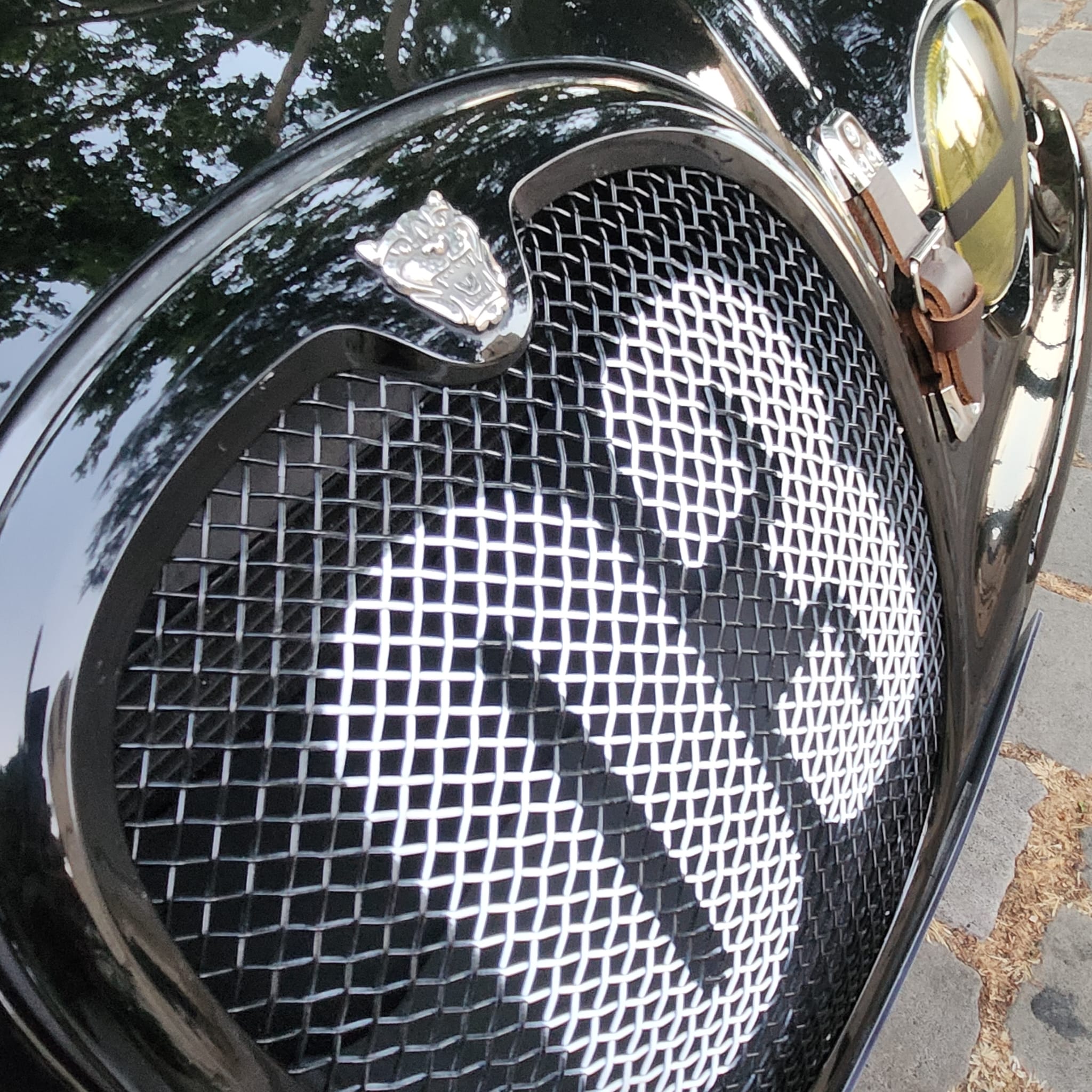
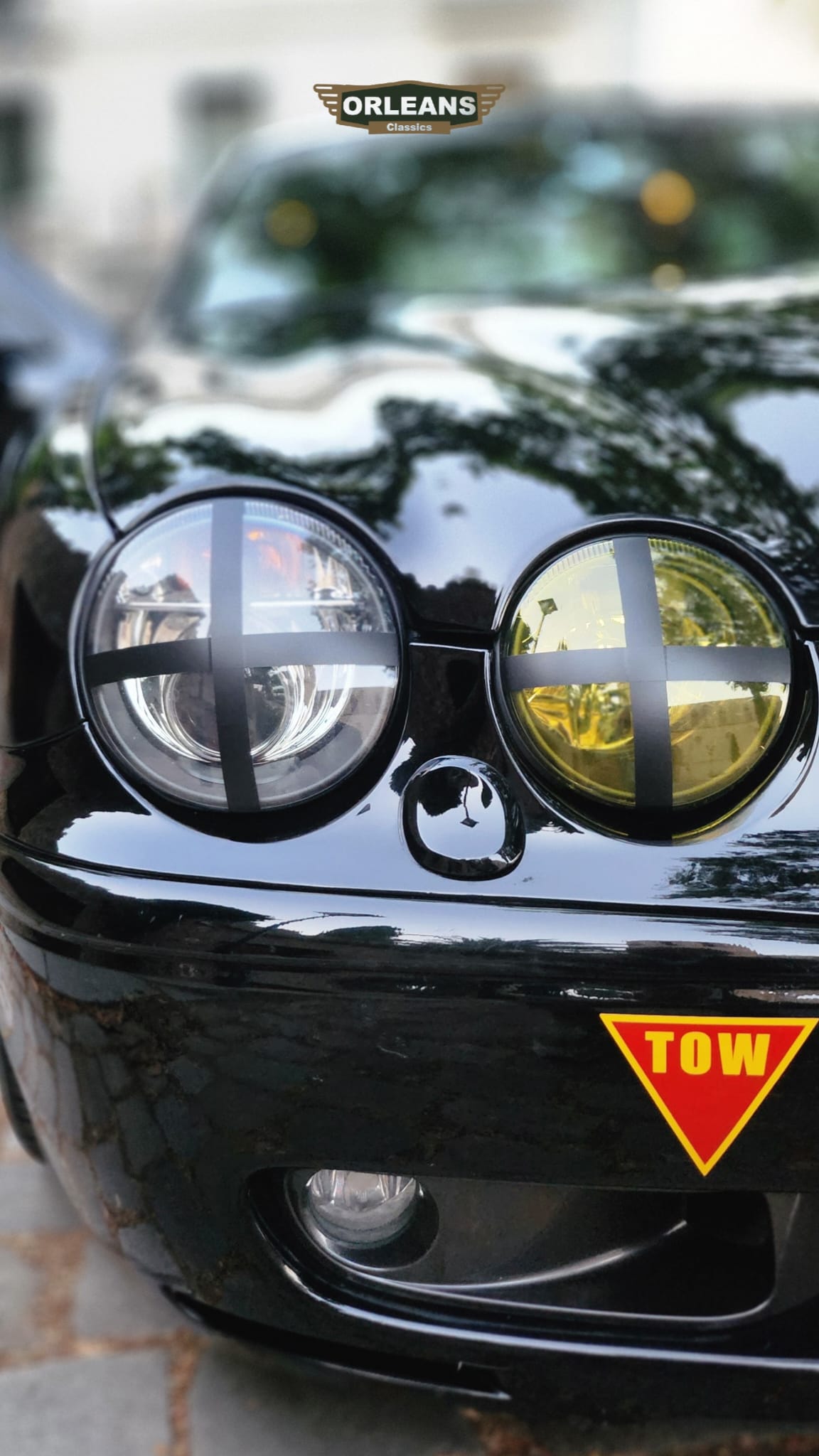
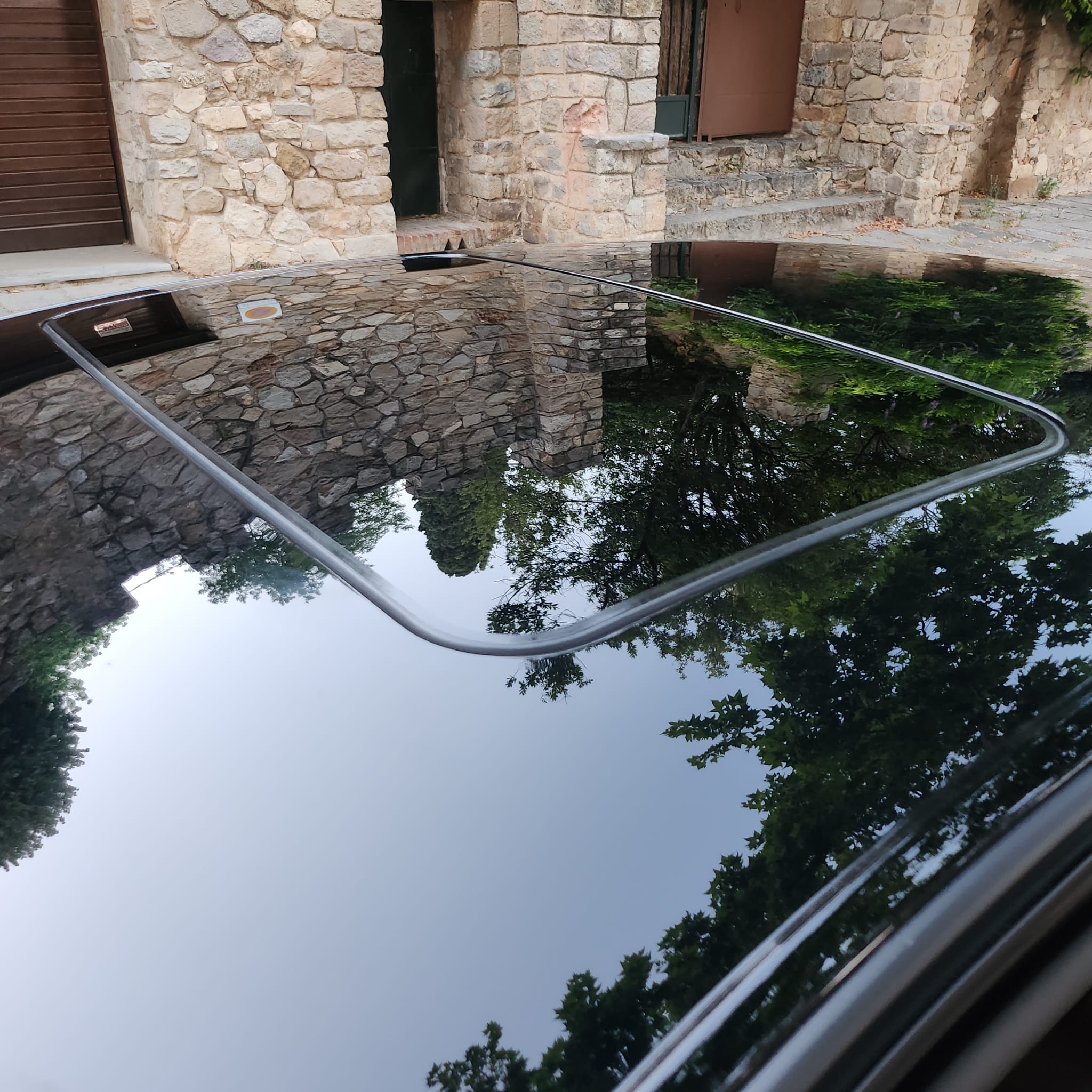
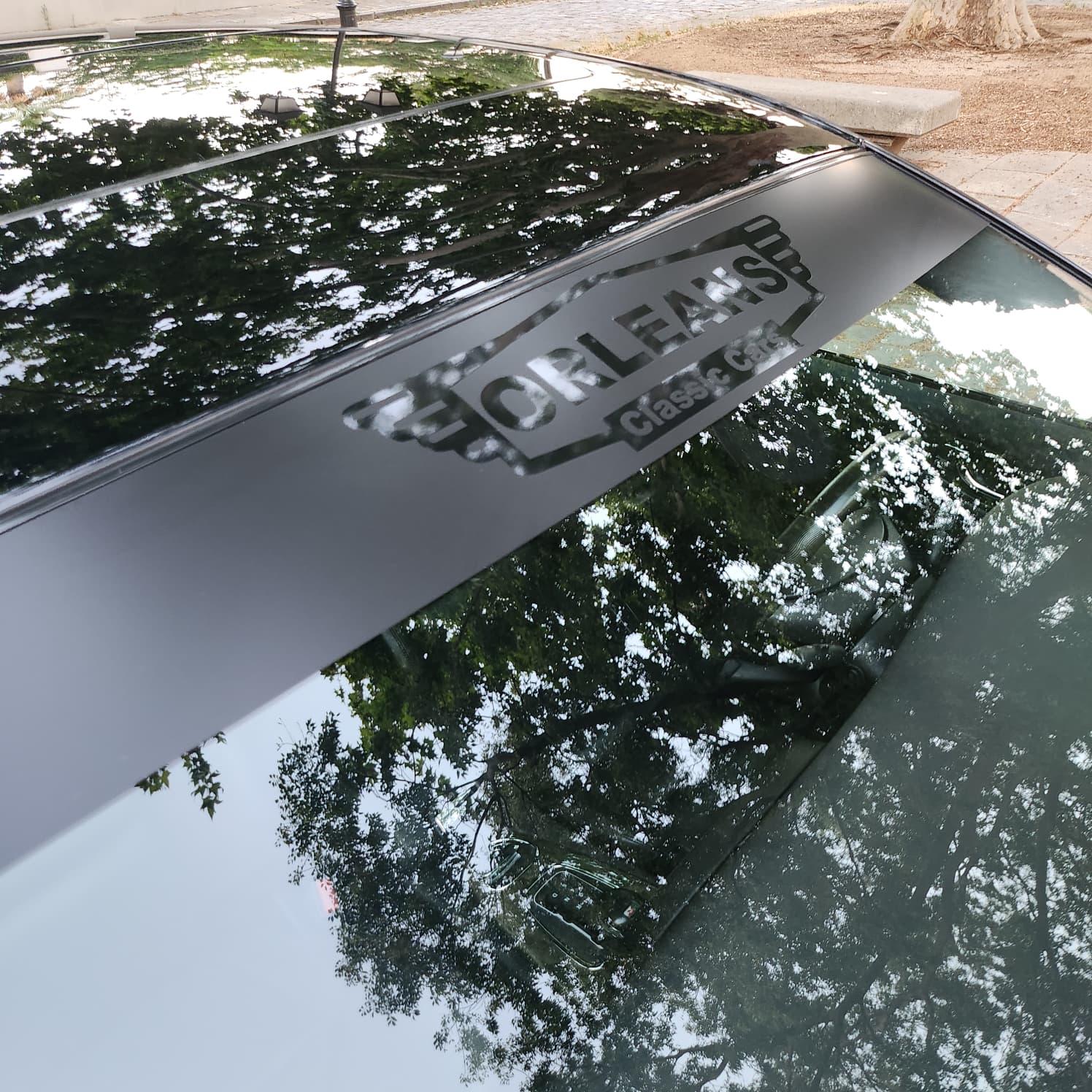
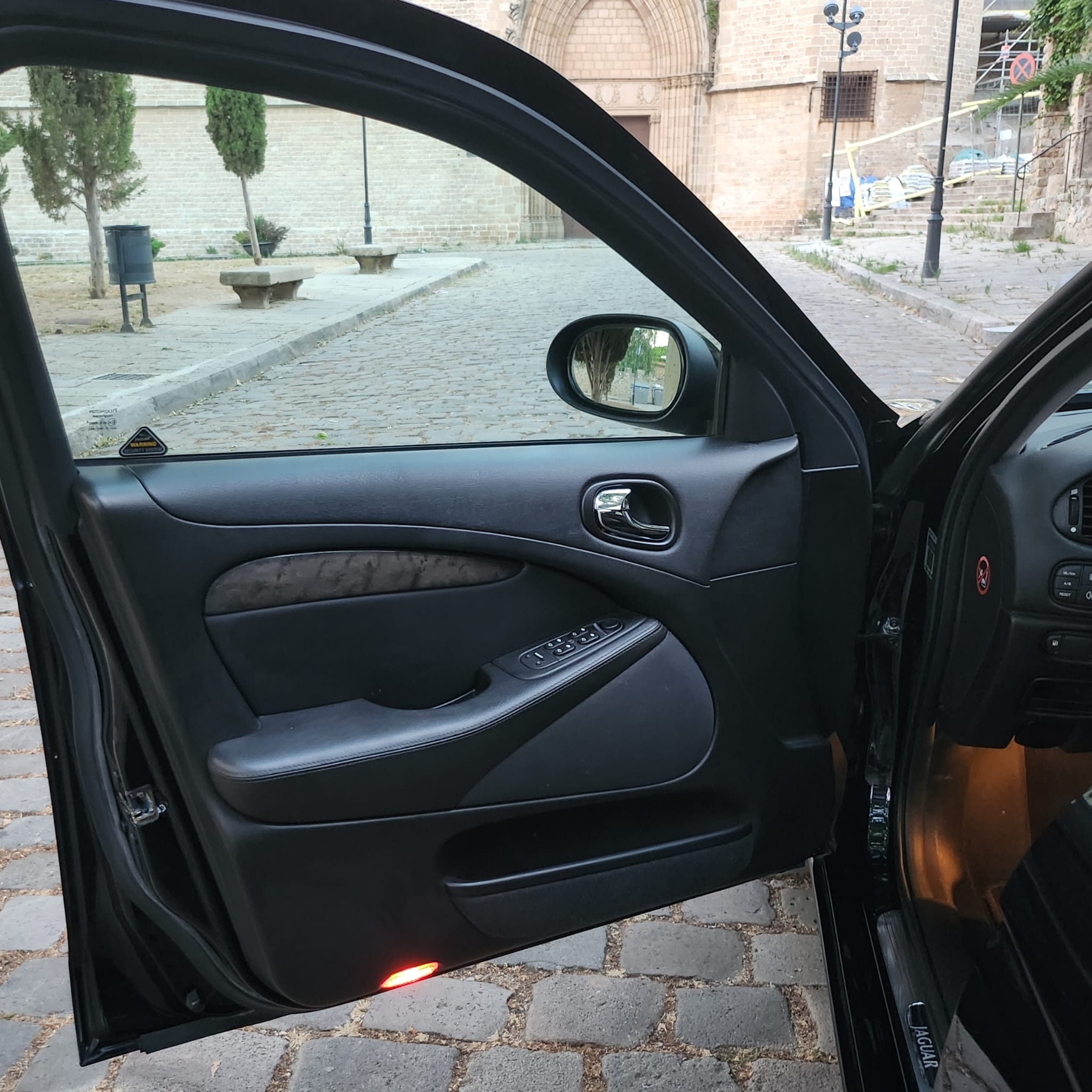
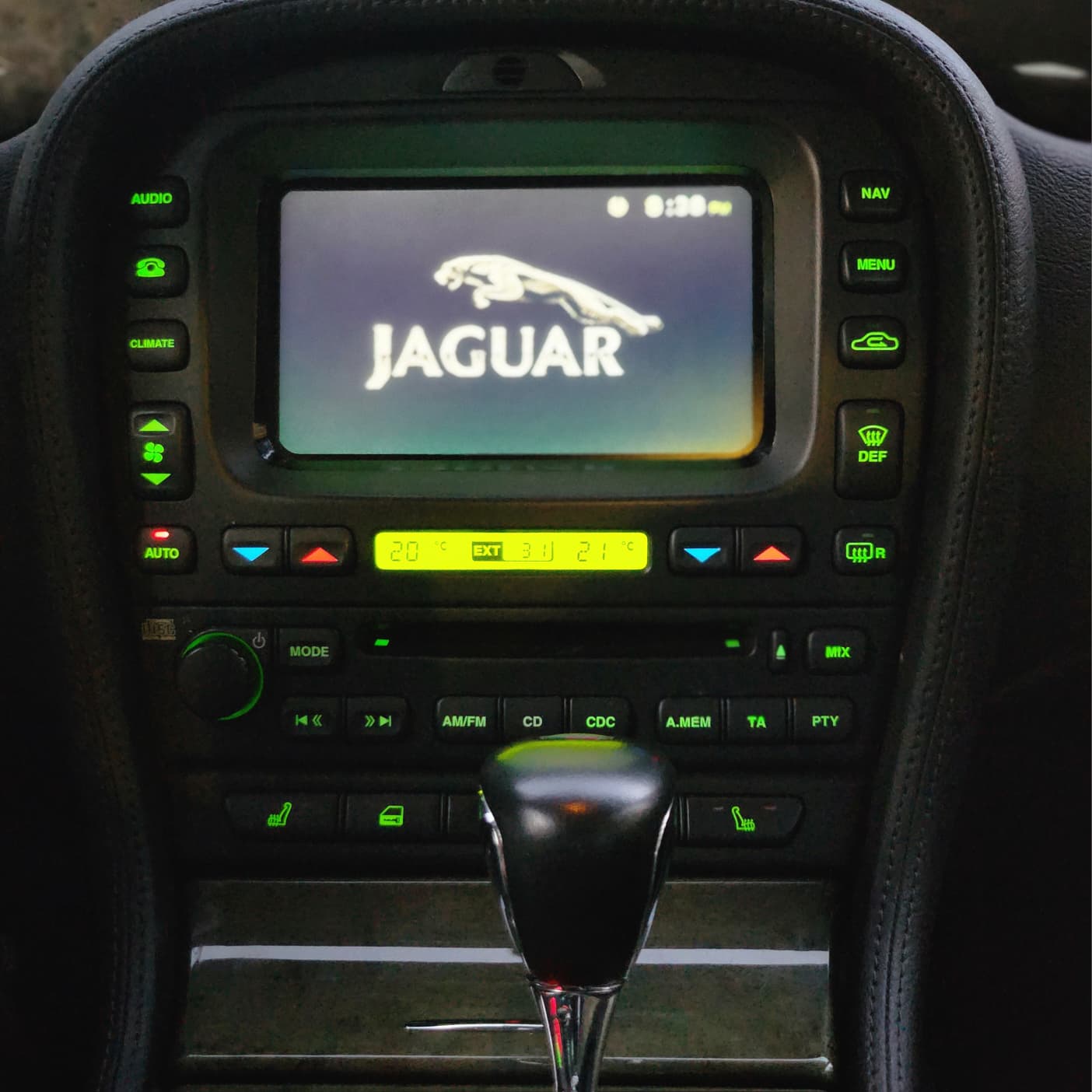
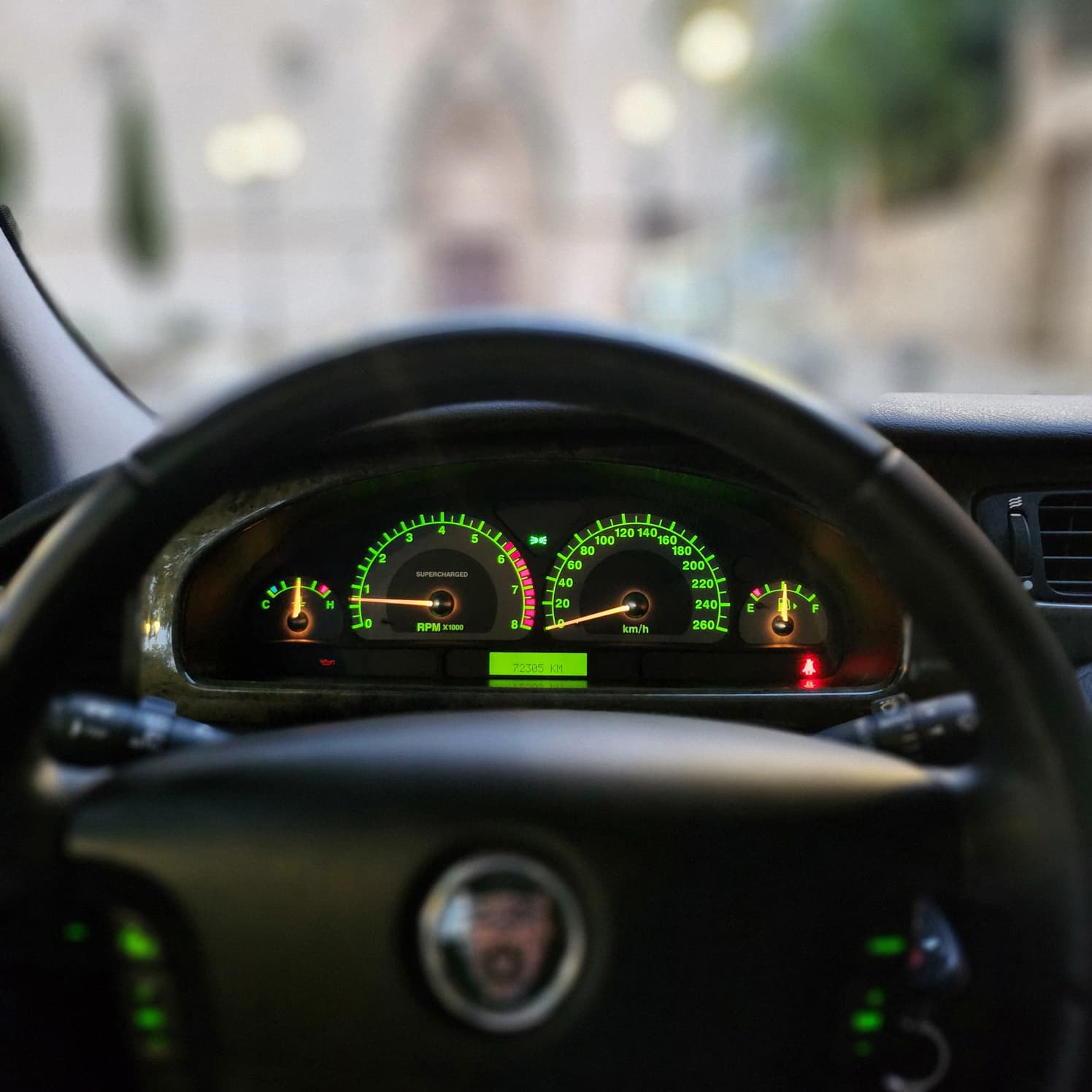
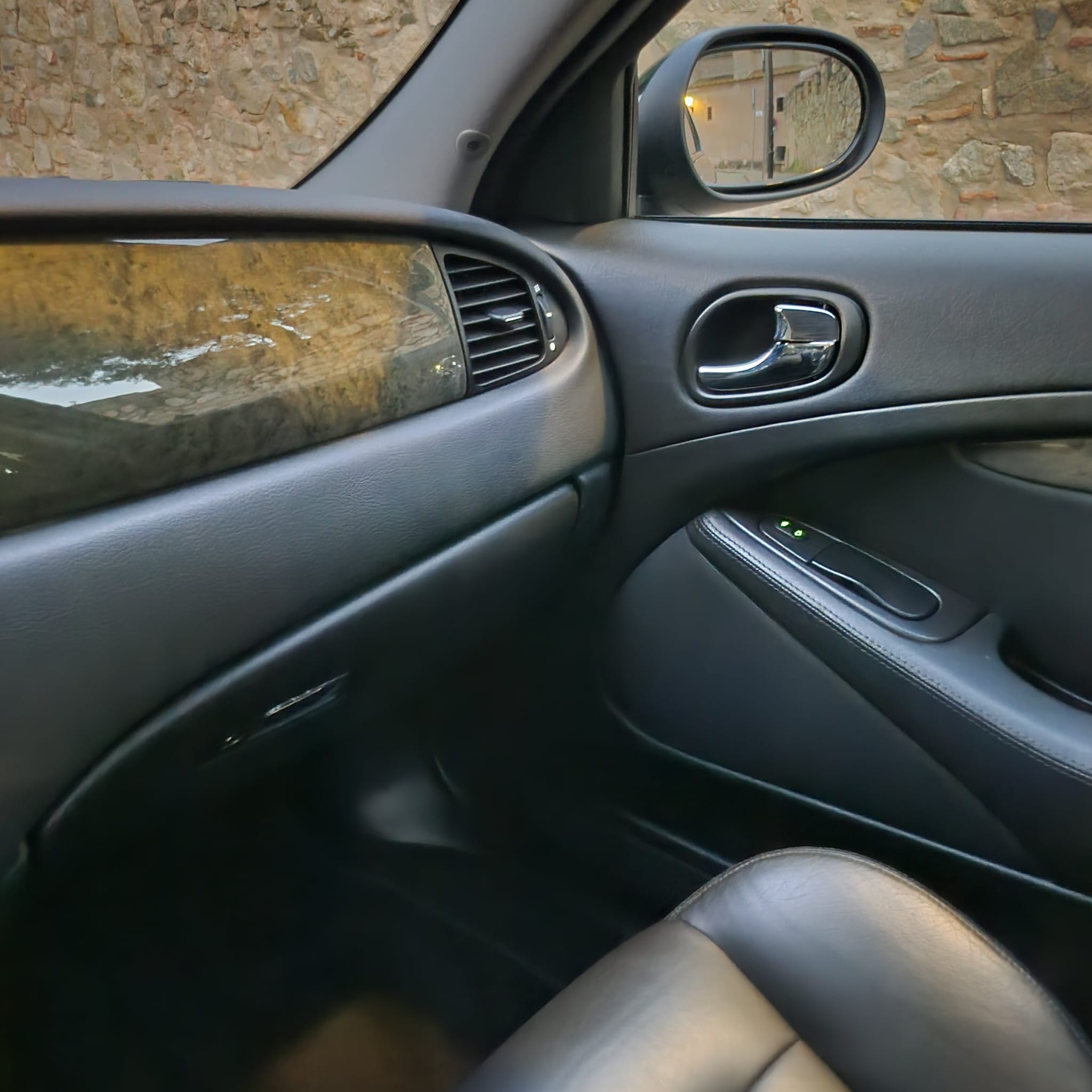
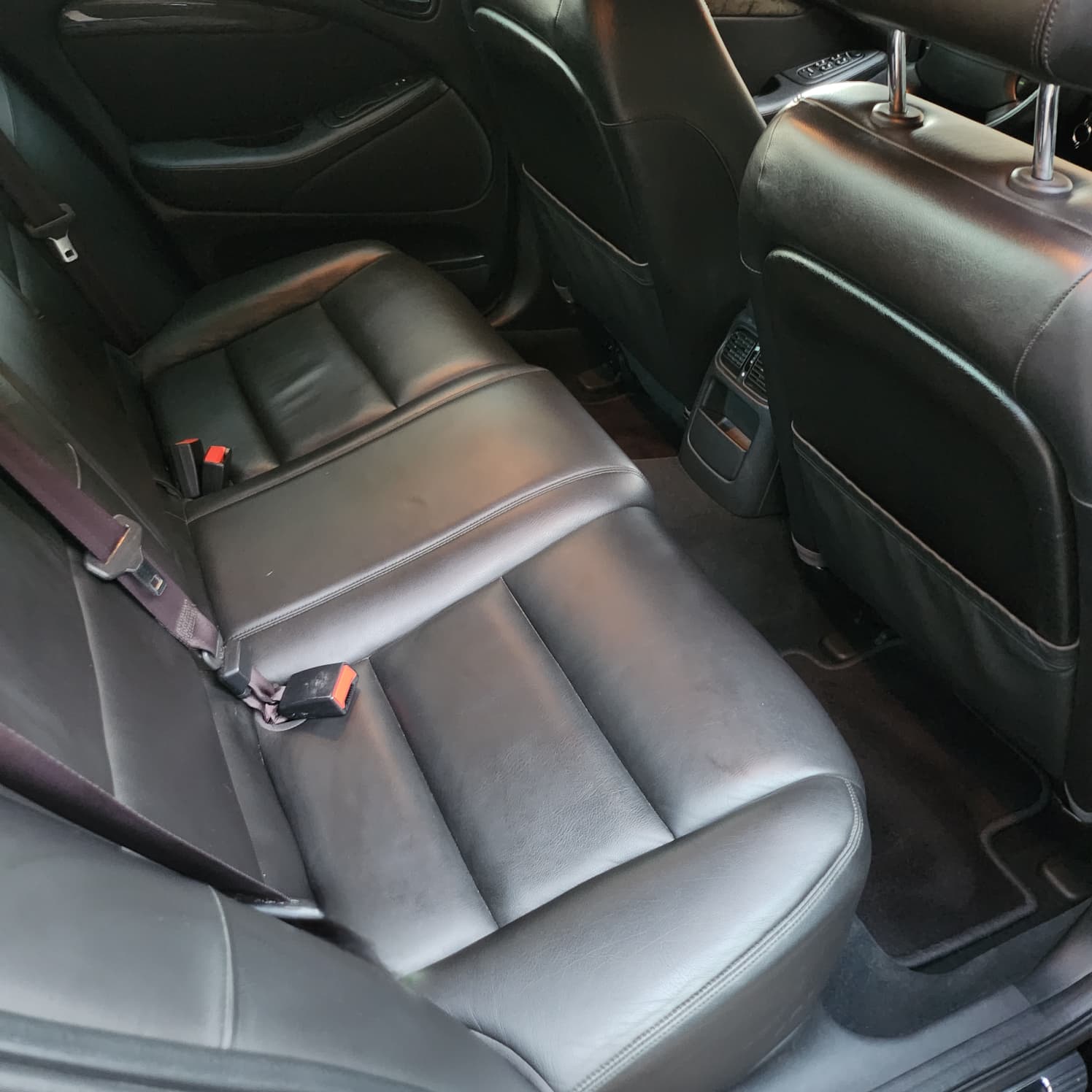
In the United Kingdom, this culture is deeply respected. Modern Classics with a Retro Look compete, take to the road, and are proudly displayed, as they are in Spain and Germany. As for the Jag STO, it stands out for combining sporting character with executive elegance, while remaining accessible to collectors and offering significant potential for appreciation.
Here are direct links to the available Jag STO models listed on the Orleans Classic Cars website:
At Orleans Classic Cars, each vehicle represents a transitional piece:
between eras, between cultures, between what once was… and what deserves to be again.We do not restore the past. We reinterpret it.
The Modern Classic is not a trend.
It is a way of understanding time, design, and driving.